Table of Contents
- Why Professional Tree Care Matters for Property Managers
- Key Services Included in Professional Tree Care
- Tree Inspection Checklist for Property Managers
- Creating a Tree Maintenance Plan for Residential Properties
- Choosing a Tree Surgeon for Property Maintenance
- Developing a Tree Maintenance Schedule for Estates
- Common Mistakes Property Managers Make with Tree Care
- Frequently Asked Questions
Last Updated: October 16, 2026
Why Professional Tree Care Matters for Property Managers
Professional tree care isn't optional for property managers, it's essential risk management. Neglected trees become hazards. They drop branches on roofs, damage gutters, and create liability issues that could cost thousands to resolve.
Trees on residential estates also affect property values and tenant satisfaction. Well-maintained grounds signal that a property is cared for. Overgrown trees block light, make gardens feel cramped, and suggest poor management. The reverse is true: clean, healthy trees improve kerb appeal immediately.
Beyond aesthetics, there's a legal dimension. Property managers have a duty of care to ensure trees don't pose a danger to residents or neighbours. A tree that fails and causes injury could result in negligence claims. Regular professional inspections catch problems early, before they become emergencies.
Key Services Included in Professional Tree Care
Professional tree care encompasses several core services that property managers need to understand.
Tree inspections form the foundation. A qualified surveyor examines trees for disease, structural weakness, and safety hazards. They identify dead branches, signs of rot, and leaning that suggests root problems.
Crown reduction is one of the most common requests. This controlled pruning reduces the overall size of a tree's canopy. It's used when trees block light from gardens, overhang roofs, or grow too large for their space. Done properly, crown reduction improves the tree's health by removing weak growth and improving air circulation.
Felling and removal handles trees that are beyond saving. This includes dead trees, those with severe disease, and specimens that pose ongoing safety risks. Removal requires skill, the arborist must fell the tree safely, often in confined spaces, without damaging the property or neighbouring gardens.
Stump grinding removes what's left after felling. Leaving stumps invites pest problems and regrowth. Grinding takes the stump below ground level so the area can be replanted or paved over.
Hedge maintenance keeps boundary hedges tidy and safe. Regular cutting prevents hedges from becoming overgrown, maintains the property line, and improves sightlines for safety.
Emergency response handles storm damage and fallen trees. Storms can bring down branches or entire trees overnight. A reliable professional tree care provider should be able to respond quickly to clear debris and make the area safe.
Tree Inspection Checklist for Property Managers
A structured inspection catches problems before they escalate. Use this checklist during your regular property walkthroughs.
Visual Assessment:
- Look for dead branches or entire dead limbs in the canopy
- Check for obvious lean or tilt in the trunk
- Note any branches overhanging roofs, gutters, or neighbouring properties
- Scan for branches touching power lines or telephone wires
- Identify branches that cross or rub against each other
Trunk and Base:
- Inspect the trunk for cracks, splits, or peeling bark
- Look for fungal growth, mushrooms, or fruiting bodies at the base
- Check if the tree is loose in the ground or if soil has settled around the base
- Note any signs of animal damage or pest activity
Health Indicators:
- Assess leaf colour and density, sparse foliage suggests stress
- Look for signs of disease: spots, discolouration, or unusual growth patterns
- Check for bleeding sap or weeping from the trunk
- Note if the tree leafs out later than others around it
Hazard Flags:
- Any branches directly over a building or garden structure
- Trees with multiple large branches removed previously (suggests ongoing problems)
- Significant cavities or hollow sections in the trunk
- Roots lifting paving or damaging drains
When in doubt, call a professional tree care surveyor. They can assess whether a tree needs immediate attention or can be monitored. It's far cheaper to address issues early than to handle an emergency removal.
Creating a Tree Maintenance Plan for Residential Properties
A structured maintenance plan prevents reactive crisis management. Start by mapping all trees on the property and noting their species, approximate age, and condition.
Categorise by priority:
Trees requiring immediate attention need assessment within the next month. This includes visibly dead trees, those with large cavities, or any leaning significantly.
Trees needing routine care require inspection and maintenance within the next year. Most healthy mature trees fall here.
Trees to monitor need annual observation but no immediate work. Young, vigorous trees typically require only monitoring.
Schedule seasonal work:
Autumn and winter are ideal for major pruning and felling. Trees are dormant, and the work is less disruptive. Spring is when you assess winter storm damage and plan summer maintenance.
Document everything:
Keep records of all inspections, work completed, and recommendations from professionals. This creates a history that shows due diligence and helps plan future maintenance. It also proves to insurers that you've taken reasonable steps to manage tree safety.
Budget realistically:
Professional tree care isn't cheap, but deferring it costs more. Budget for at least one major inspection annually and set aside funds for unexpected work. A single emergency removal can exceed the cost of three years of preventative care.
Choosing a Tree Surgeon for Property Maintenance
Not all tree surgeons are equal. The wrong choice risks poor work, safety issues, and wasted money.
Verify qualifications first:
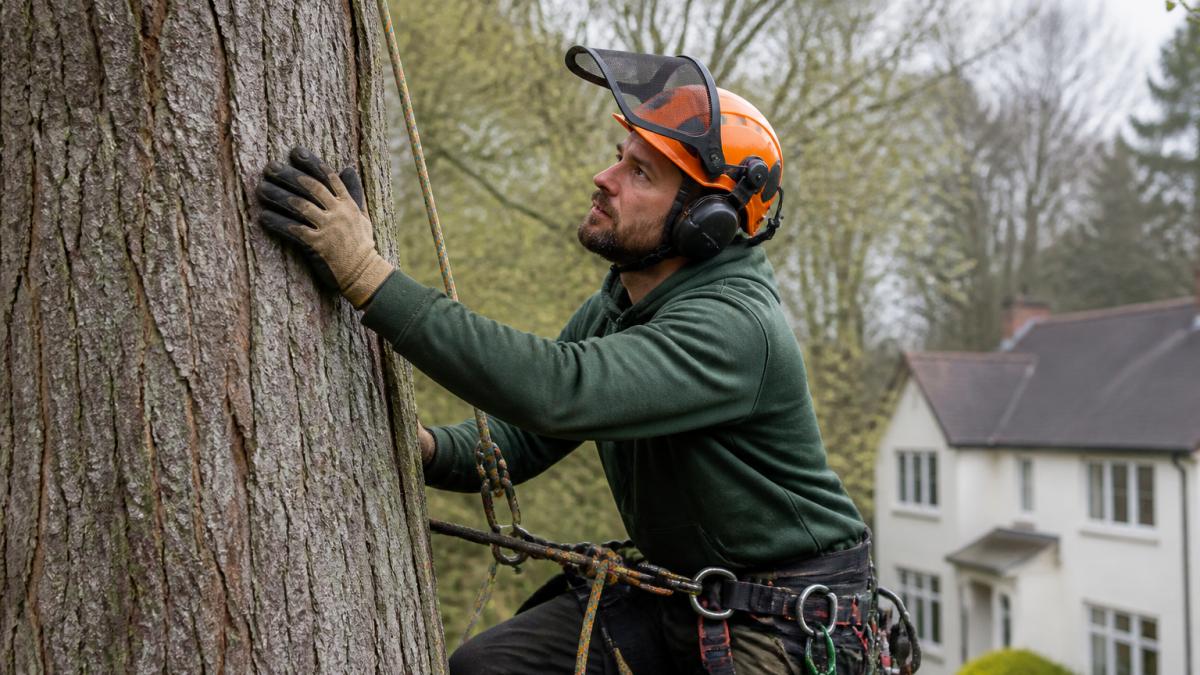
Ask for evidence of relevant certifications. Ask specifically about chainsaw certifications and first aid training. Don't accept vague claims, ask to see the actual certificates.
Check public liability insurance. This protects you if something goes wrong. Ask for a copy of the insurance certificate, not just their word.
Get detailed quotes:
Quotes should specify exactly what work will be done, what will be removed, and what will be left. Vague quotes ("tree work, £1,500") are a red flag. A professional breaks down the work: "Crown reduction to 6 metres, removal of deadwood, grinding of stumps to 30cm below ground level."
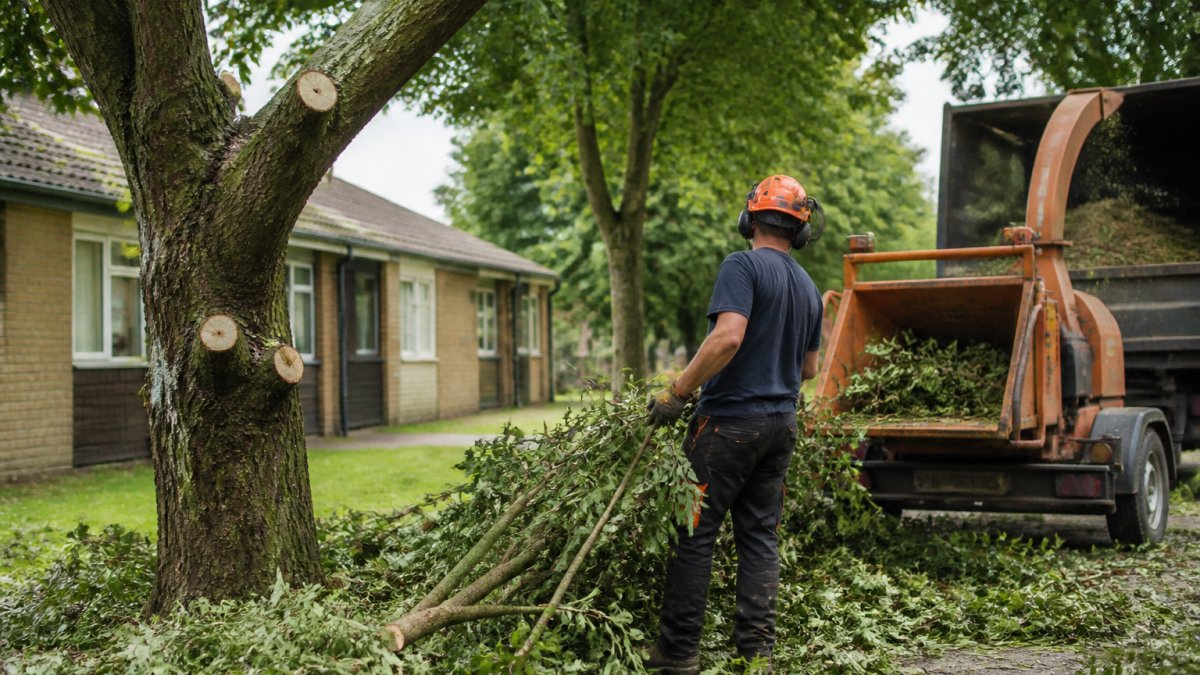
Ask about what happens after the work. Will they clear debris? Tidy the site? How will wood be disposed of? A professional tree care provider leaves the site clean and tidy.
Check references:
Red flags to avoid:
Pressure to commit immediately or pay upfront in full.
Quotes significantly lower than others. Cheap work often reflects poor quality or cutting corners on safety.
No insurance or reluctance to provide proof of it. This is non-negotiable.
Developing a Tree Maintenance Schedule for Estates
A maintenance schedule ensures nothing gets forgotten and budgets stay predictable.
Annual tasks:
Inspect all trees for damage, disease, and safety hazards. This should happen in late autumn after leaf fall, when the structure is visible.
Prune dead branches from all trees. This removes hazards and improves appearance.
Check hedges and trim where growth is excessive or blocking sightlines.
Clear gutters and downpipes of leaves and debris from trees.
Every two to three years:
Crown reduction on trees that are growing too large or blocking light.
Removal of any trees identified as diseased or hazardous.
Deep inspection of mature trees by a qualified arborist.
Every five to seven years:
Major structural pruning of mature trees to maintain shape and health.
Assessment of whether any trees should be replaced due to age or declining vigour.
After storms:
Inspect all trees for damage, even if nothing appears obviously broken.
Remove any fallen branches or trees immediately, don't wait for scheduled work.
Document damage for insurance claims.
A written schedule makes it harder to defer work. It also shows insurers and regulators that you've taken a systematic approach to tree safety.
Common Mistakes Property Managers Make with Tree Care
Understanding what not to do is as important as knowing what to do.
Delaying inspections is the most costly mistake. A tree that could be managed with crown reduction becomes a hazard that requires emergency felling. By then, you've lost the option to preserve it and the cost has tripled.
Ignoring professional advice happens when property managers think they can save money by not acting on recommendations. A surveyor suggests crown reduction; the manager decides to wait. Two years later, a branch fails and damages a roof. The cost of the damage far exceeds the cost of the original work.
Hiring based on price alone often backfires. The cheapest quote usually reflects shortcuts, less thorough work, poor site cleanup, or even safety violations. You end up paying more to fix problems or hire someone else to redo the work properly.
Over-pruning trees damages their health. Some managers ask for extreme pruning to solve light issues quickly. Heavy pruning stresses trees and can cause them to fail. Gradual, professional crown reduction is better than aggressive cutting.
Neglecting hedges lets them become overgrown and unmanageable. Regular trimming keeps them healthy and under control. Neglected hedges eventually need complete removal and replanting.
Not keeping records makes it hard to track what's been done and when. It also weakens your position if a tree fails and someone claims negligence, you can't prove you've been managing it properly.
Assuming trees are fine because they look okay. Many serious problems aren't visible from the ground. Internal rot, root damage, and structural weakness only show up in a professional inspection.
Professional tree care for property managers isn't a luxury, it's essential maintenance that protects your property, reduces liability, and improves the environment residents enjoy. The investment in regular inspections and planned maintenance prevents costly emergencies and keeps your estates looking their best.
At James David Forestry Ltd, we work with property managers across residential estates to develop tailored maintenance plans. Our team provides transparent quotes, professional qualifications, and reliable follow-through from inspection to completion. We handle the full range of professional tree care, from routine crown reductions to emergency storm response, so you can focus on managing your properties with confidence.
Ready to develop a professional tree care plan for your estate? Contact James David Forestry Ltd for a free quote via phone, photo, or site visit. We'll assess your trees, explain what's needed, and give you a clear price with no surprises.
| Task | Frequency | Priority |
|---|---|---|
| Tree inspection | Annually | High |
| Dead branch removal | Annually | High |
| Crown reduction | Every 2-3 years | Medium |
| Hedge trimming | Annually | Medium |
| Stump grinding | As needed | Medium |
| Emergency response | After storms | Critical |
Frequently Asked Questions
What does professional tree care include for managed properties?
Professional tree care encompasses crown reduction to improve light and aesthetics, hazard assessment and removal of dead or diseased wood, emergency storm damage response, stump grinding, hedge cutting, and routine maintenance inspections. A qualified tree surgeon will assess your specific needs and create a tailored plan to keep trees safe, healthy, and visually appealing across your properties.
How often should trees on a residential property be inspected?
Regular inspections catch problems early, preventing costly emergency work and liability issues.
What should property managers check before appointing a tree care contractor?
Verify the contractor holds relevant qualifications such as certified chainsaw and climbing tickets, and confirm they carry full public liability insurance. Ensure they provide transparent, fixed pricing before work begins and clarify what's included in their service, particularly site clearance and waste removal. Request a detailed quote via photo or site visit rather than phone estimates.
When should a property manager hire a qualified tree surgeon?
Hire a qualified tree surgeon immediately if you notice dead branches, signs of disease, leaning trunks, or trees growing dangerously close to structures. After storms, engage a professional to assess damage. Schedule preventative work during quieter seasons (late autumn through early spring) rather than waiting for emergencies. Regular professional maintenance prevents expensive crisis interventions and protects your liability position.
Need a tree surgeon?