Professional Stump Grinding Services: A Complete Guide
Editorial Team · 11 min read · 07/10/2026
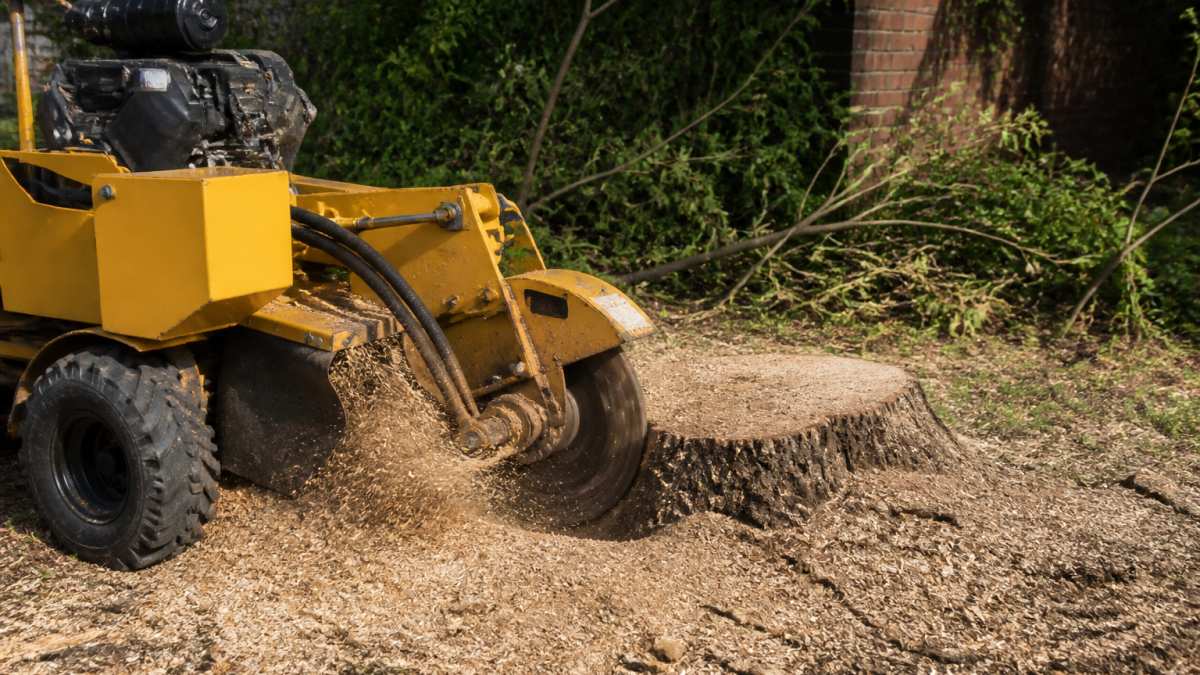
Table of Contents
- Why Professional Stump Grinding Services Matter
- Understanding the Stump Grinding Process
- Garden Preparation for Stump Grinding
- How Long Does Stump Grinding Take?
- Stump Grinding Cost and Transparent Pricing
- What to Check Before Hiring a Stump Grinding Service
- Aftercare: What Happens to Your Garden After Stump Grinding
- Frequently Asked Questions
Last Updated: October 7, 2026
Why Professional Stump Grinding Services Matter
When a tree comes down, most homeowners think the job is finished. It isn't. A stump left behind creates real problems: it's a tripping hazard, it attracts insects, it rots slowly and unpredictably, and it blocks your ability to use that space. Professional stump grinding services remove the entire stump and root system below ground, leaving you with usable garden space and eliminating safety risks.
At James David Forestry Ltd, we've handled many stump removal jobs across the region. What we've learned is simple: attempting this yourself with hired equipment rarely works as expected. The machine gets stuck. The stump is harder than anticipated. You end up with a half-finished job and a rental bill. Professional stump grinding services do the work properly the first time, with equipment and expertise designed specifically for the task.
The real value isn't just removing the stump. It's what happens after: a clean, level garden ready for new planting, paving, or simply reclaimed space. That's why homeowners and property managers choose professional contractors rather than attempting DIY approaches.
Understanding the Stump Grinding Process
Stump grinding is straightforward in principle but requires specific equipment and skill to execute safely. A stump grinder is a powerful machine with a rotating cutting wheel that chips away at the stump and roots, grinding them into small wood chips. The operator controls the depth and angle to ensure complete removal below ground level.
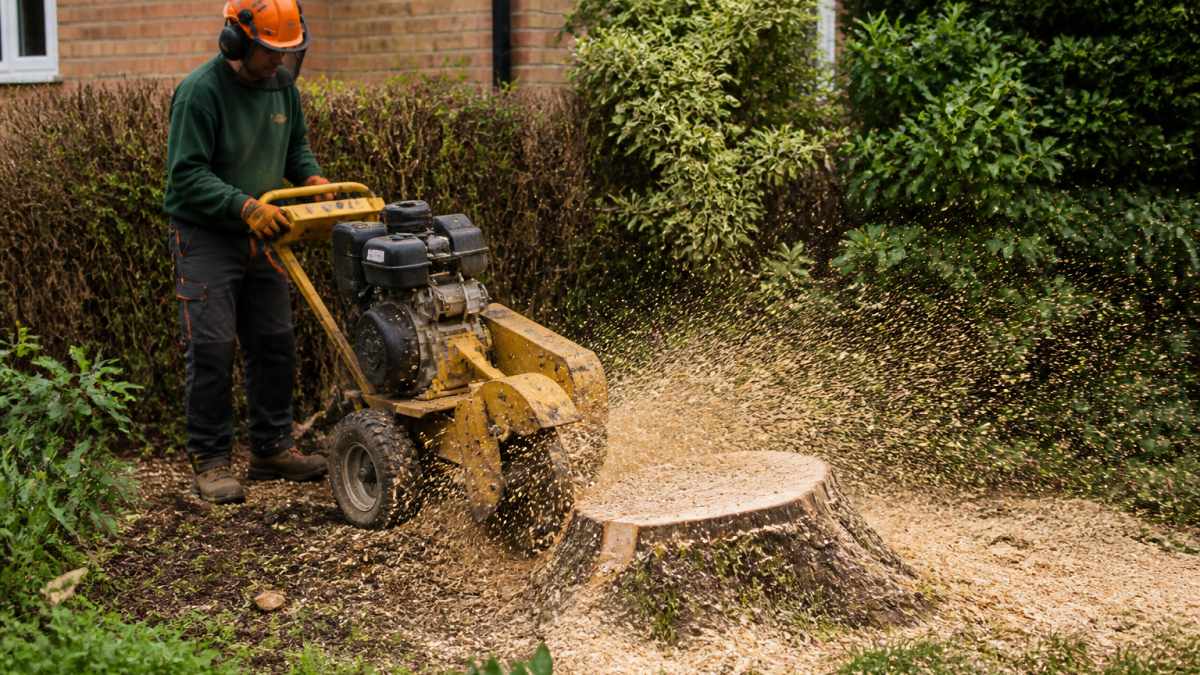
The process works in stages. First, the operator positions the machine and begins grinding from one side of the stump, working across its width. The cutting wheel penetrates deeper with each pass, breaking the stump into chips. As the visible wood is removed, the operator continues grinding below ground level to eliminate the root system. This is the critical step most DIY attempts miss; roots extend deeper than people expect, and leaving them behind means the stump will continue to decompose and potentially regrow.
Most stumps take between one and three hours to grind completely, depending on size and root depth. Larger stumps or those with extensive root systems take longer. The operator will grind to a depth of 30-75 cm below ground level, which is sufficient to prevent regrowth and allow the space to be used for planting or construction.
Garden Preparation for Stump Grinding
Before the grinding work begins, your garden needs minimal preparation, but a few steps make the job easier and safer. Clear the area around the stump of loose debris, garden furniture, or decorative items that could be damaged by flying wood chips. The grinding process ejects chips at speed, so anything within a few metres should be moved.
Check for obstacles underground. If there are pipes, cables, or utility lines near the stump, inform the contractor beforehand. Most stump grinding services will ask about this during the quote stage. James David Forestry Ltd always confirms utility locations before starting work; this prevents damage and keeps everyone safe.
Ensure the ground around the stump is accessible. If the stump is in a tight corner or surrounded by dense planting, the machine may not fit. Contractors can sometimes work around obstacles, but accessibility affects how efficiently the job can be done. If your garden has narrow gates or tight pathways, mention this when requesting a quote so the contractor can assess whether the equipment will fit.
After grinding is complete, the area will be level but uneven. You can level it further with topsoil if you plan to plant or seed, or leave it as is if you're installing paving or decking. Most homeowners add a small amount of topsoil and reseed the area within a week or two.
How Long Does Stump Grinding Take?
The duration of stump grinding varies based on stump size, root depth, and ground conditions. A small stump in soft soil might take 30-45 minutes. A larger stump with deep roots can take 2-3 hours. Very large stumps or those with exceptionally dense wood may take longer.
What matters more than the raw time is understanding what happens during that time. The contractor isn't simply chipping away; they're working methodically to ensure complete removal. Rushing the job leaves roots behind, which defeats the purpose.
Most residential properties have their stump grinding completed in a single visit. The contractor arrives, assesses the stump, performs the grinding, and clears the chips. James David Forestry Ltd includes clearing the work site as part of the service, so you're left with a clean garden and no debris to manage.
Weather can affect timing. Wet ground makes the work slower and can damage your garden. Contractors typically prefer to work in drier conditions when possible. If your stump grinding is scheduled during wet weather, the job may take slightly longer or be rescheduled to protect your garden.
Stump Grinding Cost and Transparent Pricing
Stump grinding cost depends on several factors: stump diameter, root depth, ground conditions, and accessibility. Smaller stumps cost less than larger ones. Stumps in easily accessible gardens cost less than those requiring equipment to be moved through narrow gates or tight spaces.
The best approach is to request a quote based on your specific situation. Many stump grinding services offer free quotes via photo or site visit. James David Forestry Ltd provides transparent pricing with no hidden costs; what you're quoted is what you pay. There are no surprise charges for complications or additional work unless you approve additional services beforehand.
When comparing quotes from different contractors, ensure you're comparing the same scope of work. Some contractors charge extra for clearing debris or removing the wood chips. Others include this in their base price. Ask what's included: Is the area levelled after grinding? Are the chips removed or left for you to manage? Will the contractor backfill with topsoil?
Pricing should reflect the contractor's experience and insurance. A significantly cheaper quote may indicate less experienced operators or inadequate insurance cover. Professional stump grinding services invest in quality equipment and proper training, which is reflected in their pricing.
What to Check Before Hiring a Stump Grinding Service
Before booking, verify that the contractor is properly qualified and insured. Ask for proof of public liability insurance; this protects you if damage occurs during the work. Check that the contractor holds relevant chainsaw and climbing qualifications if tree removal was involved beforehand.
Ask about the contractor's experience with stumps similar to yours.
Confirm what happens to the wood chips. Some contractors remove them; others leave them for you to use or dispose of. Clarify this before work begins. If you want the chips removed, ensure this is included in your quote.
Check customer reviews and references. James David Forestry Ltd holds a 5.0 rating based on 31 Google reviews and 32 Facebook recommendations, reflecting consistent quality and reliability. Look for contractors with verifiable feedback from recent customers.
Ask about the contractor's response time for emergency work. If a tree has fallen on your property, you need someone who can respond quickly. Reliable contractors maintain emergency availability, particularly during storm season.
Discuss access and timing. Will the contractor need access to your home? What time will they arrive? Will they need to park equipment on your drive? Clear communication about logistics prevents surprises on the day.
Aftercare: What Happens to Your Garden After Stump Grinding
Once the stump grinding is complete, your garden needs minimal aftercare. The ground will be uneven where the stump was ground down. You can leave it as is if you're planning future construction, or you can improve it immediately.
Most homeowners add topsoil to level the area. A few centimetres of quality topsoil, raked level, prepares the space for seeding or planting. If you're planting shrubs or trees, ensure the soil is loose and well-prepared. If you're seeding grass, rake the topsoil smooth and water it regularly until the seed establishes.
If you're installing paving, decking, or a hard surface, the ground should be compacted and levelled. The contractor may do some basic levelling, but you may need to add further preparation depending on your plans.
Wood chips left at the site can be useful. Many homeowners use them as mulch around garden beds or as pathway material. If you want them removed, confirm this with the contractor beforehand.
Monitor the area over the following weeks. Occasionally, small shoots may emerge from remaining roots, particularly in the first few months. These are easily removed by hand or with herbicide. Complete regrowth is rare after professional grinding, but minor shoots sometimes appear as the root system decomposes.
Stump grinding transforms your garden from an awkward, hazardous space into usable landscape. The process is straightforward when handled by professionals with proper equipment and experience. James David Forestry Ltd removes stumps completely, clears your garden, and leaves you with a clean, level space ready for whatever comes next. Our team holds full insurance, industry-recognised qualifications, and a track record of reliable, tidy work. Get a free quote via photo, video, or site visit, no obligation, no hidden costs. Contact us today to reclaim your garden space.
Frequently Asked Questions
How does professional stump grinding work?
A stump grinder is a powerful machine with a rotating cutting disc that chips away at the stump and roots below ground level. The operator controls the machine to grind the stump progressively deeper, reducing it to sawdust and small wood chips. Professional operators adjust the depth and approach based on the stump's size, wood type, and surrounding obstacles. The process is faster and more thorough than manual removal, leaving minimal debris and allowing you to replant or use the space immediately.
How long does stump grinding usually take?
Duration depends on stump size, root depth, and soil conditions. Small stumps typically take less time, while larger or deeply rooted stumps may take 1-2 hours or more. Your professional team will assess the specific stump during a free quote and give you an accurate timescale. Weather and ground hardness can affect speed, so professionals plan accordingly to deliver efficient, quality work without rushing the job.
What should I check before hiring a stump grinding service?
Verify that the company holds full public liability insurance, relevant qualifications (chainsaw and climbing tickets), and industry-recognised training. Ask for evidence of their credentials and check reviews from previous customers. Confirm they provide transparent pricing upfront with no hidden charges, and that they handle site cleanup as part of the service. A reputable provider will offer a free quote and clear communication from start to finish, so you know exactly what to expect.
Do I need to prepare my garden before stump grinding?
Yes, basic preparation helps the job run smoothly. Clear the area around the stump of loose debris, garden furniture, and children's toys. Mark any underground utilities (water, gas, electric) so the operator avoids them. Remove any fencing or structures close to the stump. Inform the team about ground conditions; wet soil, compacted earth, or rocky ground affects the process. Your professional team will advise on specific preparation needs when you book, and many providers handle these checks as part of their site assessment.
Need a tree surgeon?