Tree Crown Reduction Benefits for Light: A Complete Guide
Editorial Team · 10 min read · 11/10/2026
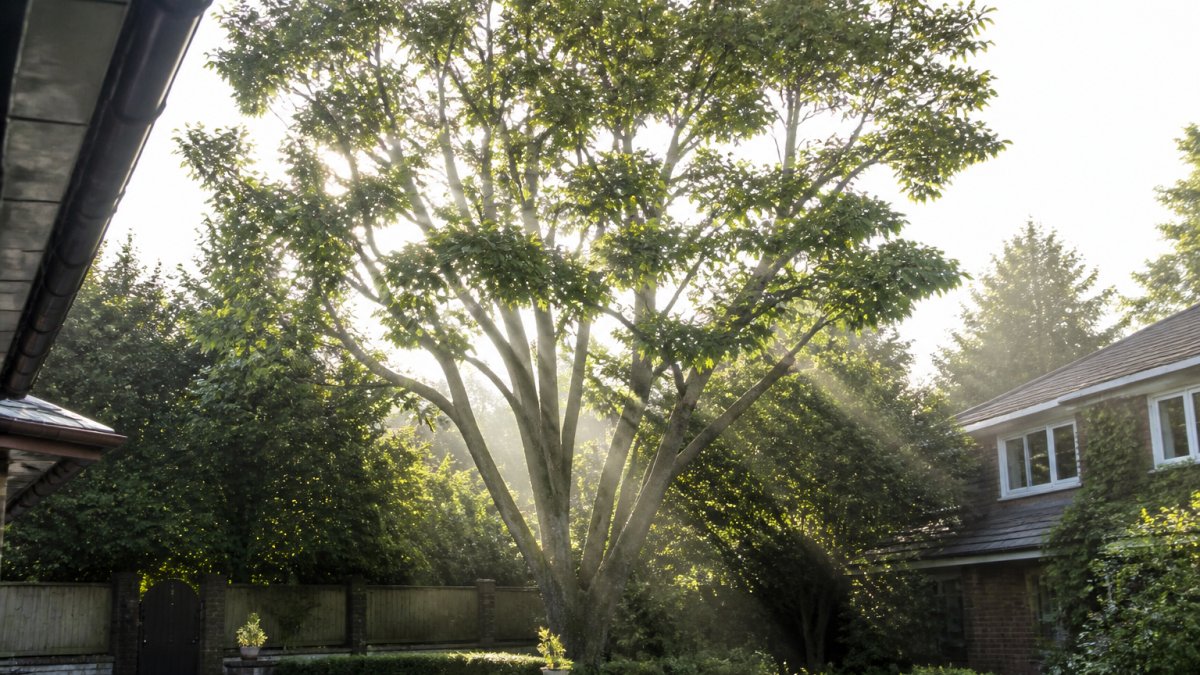
Table of Contents
- How Tree Crown Reduction Improves Light in Your Garden
- Crown Thinning vs Crown Reduction: Which Delivers Better Light
- Tree Crown Reduction and Tree Health: Why They Work Together
- Crown Reduction Before and After: What Changes in Your Garden
- Best Time to Prune Trees for Maximum Light Gain
- How Much More Light Will You Actually Get
- What to Avoid When Reducing Tree Crowns
- Frequently Asked Questions
Last Updated: 11 October 2026
How Tree Crown Reduction Improves Light in Your Garden
Tree crown reduction benefits for light are one of the most practical reasons homeowners and property managers choose professional pruning. When a mature tree's canopy becomes dense or overgrown, it blocks sunlight from reaching your garden, lawn, and property. At James David Forestry Ltd, we work with property owners across Merseyside and West Lancashire who face exactly this problem: beautiful mature trees that cast the garden into shadow.
Crown reduction works by selectively removing branches from the outer edge of the canopy, thinning the overall structure while maintaining the tree's natural shape. This isn't indiscriminate cutting. The technique opens up the canopy to allow filtered light through, rather than removing the entire tree. The result is a garden that receives more daylight without losing the shelter and aesthetic value of established trees.
The immediate benefit is measurable: more light reaches your garden beds, lawn, and patio. But there's a secondary gain that catches many people by surprise. Improved air circulation through the canopy reduces fungal disease pressure on plants below, and wet soil dries faster after rain. Your garden becomes healthier, not just brighter.
Crown Thinning vs Crown Reduction: Which Delivers Better Light
These terms are often confused, but they produce different outcomes for light penetration. Crown thinning removes dead wood and selected live branches throughout the canopy to reduce overall density. Crown reduction cuts back the outer perimeter of the canopy, shortening branches and lowering the overall height of the tree.
For improving light, crown reduction is the more direct approach. By reducing the crown's size, you physically move the canopy's edge further away from the area below. This creates a wider cone of light reaching your garden. Crown thinning alone may improve air movement but won't shift as much light into shaded areas because the canopy remains at the same height and spread.
That said, the best choice depends on your specific situation. If your tree is blocking light but you want to preserve its full height and mature presence, crown thinning combined with selective branch removal gives you a lighter canopy without dramatic change. If light is the priority and you're willing to accept a noticeably smaller tree, crown reduction delivers faster, more obvious results. Most properties benefit from a combination: reduction to bring the canopy down, followed by thinning to open up the interior structure.
Tree Crown Reduction and Tree Health: Why They Work Together
A common misconception is that crown reduction harms tree health. The opposite is true when done properly. Trees that have become overly dense or top-heavy are more vulnerable to storm damage and disease. Reducing the crown redistributes weight, improves structural integrity, and allows the tree to allocate resources more efficiently.
When crown reduction removes crossing branches, dead wood, and overcrowded growth, the tree responds by investing energy in stronger, healthier branch development. Improved light penetration into the canopy also reduces the humid, stagnant conditions where fungal infections thrive. The tree becomes more resilient, not weaker. This is why arboricultural best practice recommends crown reduction as a form of tree maintenance, not tree damage.
The health benefit extends to the wider garden ecosystem. Thinned canopies allow rain to reach soil below more effectively, reducing the drought stress that sometimes affects plants under dense trees. Understorey plants receive more light and moisture, creating a more balanced garden environment. Professional tree crown reduction benefits for light go hand in hand with improved horticultural conditions across your entire outdoor space.
Crown Reduction Before and After: What Changes in Your Garden
The visual transformation of a professionally reduced crown is immediate and striking. Before reduction, a dense canopy blocks direct sunlight entirely, leaving only deep shade beneath. The lawn may be thin or patchy. Garden beds struggle with shade-tolerant plants only. The space feels enclosed and damp.
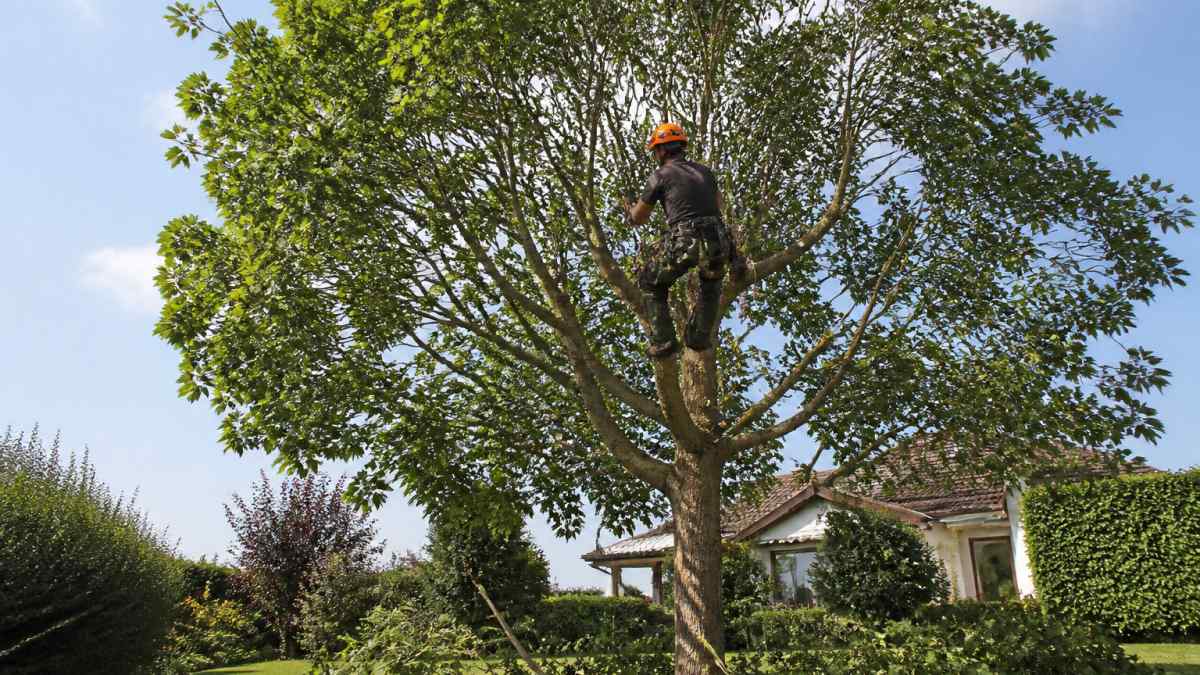
After crown reduction, the same tree has a noticeably lighter, more open canopy. Sunlight now reaches the garden in dappled patches that move throughout the day. The lawn greens up within weeks as it receives more light. Previously struggling garden beds can now support sun-loving plants. The space feels more open and welcoming.
The change isn't just visual. Within a season, you'll notice the soil dries faster after rain, moss growth reduces, and your garden plants show improved vigour. The tree itself responds with healthier new growth from the pruning points. This is the compound effect of tree crown reduction benefits for light: more sunlight, better air circulation, healthier plants, and a more usable garden.
Best Time to Prune Trees for Maximum Light Gain
Timing matters for both tree health and the speed at which you see light benefits. Late autumn through early spring (November to March) is the ideal window for crown reduction in the UK. During this dormant season, trees are less stressed by pruning, wound closure is efficient, and you can see the tree's structure clearly without foliage obscuring the branching pattern.
Winter pruning also means you'll see light benefits immediately when spring arrives. The tree leafs out with its new, lighter structure already in place. You gain an extra month or two of enhanced light compared to summer pruning, when the tree quickly re-leafs and restores density.
Avoid crown reduction during late spring and summer. Pruning when trees are actively growing diverts energy into wound healing rather than establishing new structure. The tree may produce excessive regrowth (epicormic shoots) that undoes your light gains within a season. Spring pruning also exposes fresh cuts to pest and disease pressure during the warm months.
How Much More Light Will You Actually Get
The amount of light improvement depends on several factors: the tree's initial density, how much crown reduction is performed, the tree's species and natural growth habit, and the angle of your garden relative to the sun. A heavily reduced crown on a previously dense tree can increase light by 40-60% in the shadow zone immediately below. Dappled sunlight may reach areas that were previously in deep shade.
However, the effect isn't uniform across your garden. Areas directly beneath the tree canopy will see the greatest improvement. Peripheral areas, already receiving some light, may see modest gains. The direction the tree faces also matters: a south-facing crown reduction opens more light than a north-facing one, where the sun angle is lower.
Professional assessment is the only way to predict realistic outcomes for your specific property. James David Forestry Ltd provides free quotes via photo or video, allowing our team to evaluate your tree and garden layout before recommending the level of crown reduction that will deliver the light improvement you need.
What to Avoid When Reducing Tree Crowns
Poor crown reduction creates problems that outweigh the light benefits. Never remove more than 25% of the living crown in a single season. Excessive removal stresses the tree, triggers aggressive regrowth, and can lead to structural failure. The tree responds to severe pruning by producing dense, weakly attached shoots that are more vulnerable to storm damage than the original structure.
Avoid cutting branches flush to the trunk or leaving long stubs. Both mistakes damage the branch collar, the tree's natural healing zone. Flush cuts and stubs prevent proper wound closure and invite disease. Professional arborists make cuts just outside the branch collar, allowing the tree to compartmentalise the wound and heal cleanly.
Never top the tree (cutting all branches to the same height, creating a flat-topped appearance). Topping destroys the tree's natural form, creates multiple weak regrowth points, and often makes light problems worse within two years as dense regrowth returns. Proper crown reduction maintains the tree's natural silhouette while opening the canopy selectively.
The challenge with overgrown trees is balancing light needs against the value of mature growth. Crown reduction solves this by improving light penetration without removing the tree entirely. At James David Forestry Ltd, we've helped hundreds of property owners across Merseyside and West Lancashire reclaim their gardens through professional crown reduction. Our in-house climbers perform precise work that improves light, maintains tree health, and leaves your garden tidy. Get a free quote via photo, video, or site visit, we'll assess your specific situation and show you exactly what crown reduction can achieve for your property.
Frequently Asked Questions
How does tree crown reduction improve light in a garden?
Crown reduction removes excess branches and foliage from the upper and outer areas of the tree canopy, allowing more sunlight to penetrate through to the garden below. By selectively thinning the crown rather than removing entire limbs, the tree retains its natural shape while becoming more transparent to light. The amount of improvement depends on the tree's size, density, and how much of the crown is reduced.
What's the difference between crown reduction and crown thinning?
Crown thinning removes smaller branches throughout the canopy to increase light penetration whilst maintaining the tree's overall size and shape. Crown reduction cuts back larger branches to reduce the tree's height and spread, which also improves light but creates more noticeable structural changes. For light improvement alone, thinning is often sufficient, but reduction works better for larger trees or when you need both light and size control.
Does crown reduction harm a tree's health?
Professional crown reduction actually improves tree health when done correctly. Removing excess branches reduces stress on the tree's structure, improves air circulation through the canopy to prevent disease, and allows the tree to direct energy to stronger growth. Poor crown reduction, removing too much at once or making incorrect cuts, can damage a tree, which is why professional arborists follow industry standards to ensure the work benefits rather than harms the tree.
When is the best time to prune trees for crown reduction?
The best time for crown reduction is late autumn through early spring when trees are dormant or entering dormancy. This timing minimises stress on the tree and reduces the risk of disease infection through fresh cuts. Avoid pruning in late spring and summer when the tree is actively growing, as this can trigger excessive new growth and weaken the tree's structure.
How much more light will I get after crown reduction?
Light improvement varies depending on the tree species, initial crown density, and how much is removed. A moderate crown reduction typically increases light by 20-40%, whilst more substantial reductions can achieve 50% or more. The effect is most noticeable on south-facing areas of your garden where sunlight was previously blocked entirely. Your arborist can assess your specific situation and advise realistic light gains before work begins.
Will crown reduction change how my tree looks?
Professional crown reduction maintains the tree's natural shape and character. The work removes internal and outer dead or crossing branches first, then selectively reduces outer limbs to improve light without creating an obviously pruned appearance. Unlike topping, which creates a flat-topped, unnatural silhouette, proper crown reduction looks balanced and maintains the tree's form.
Need a tree surgeon?