Table of Contents
- What Crown Reduction Pruning Actually Does
- The Benefits of Crown Reduction Pruning for Your Property
- Crown Thinning vs Crown Reduction: What's the Difference?
- BS3998 Tree Work Recommendations: What the Standard Says
- Tree Preservation Orders: When You Need Permission
- When Crown Reduction Pruning Is the Right Call
- Choosing a Qualified Arborist: What to Check
- Frequently Asked Questions
Last Updated: September 26, 2026
What Crown Reduction Pruning Actually Does
Crown reduction pruning is the selective removal of branch ends across the outer canopy to reduce a tree's overall height or spread while keeping its natural shape. Unlike topping, which lops branches off indiscriminately, crown reduction works with the tree's growth pattern.
At James David Forestry Ltd, we explain it to clients this way: you are shortening the tree, not scalping it. Each cut goes back to a suitable growth point, and the final canopy stays balanced.
The technique reduces the force wind exerts on a tree, which matters on exposed sites. It also controls spread where a canopy is outgrowing its space.
The Benefits of Crown Reduction Pruning for Your Property
The main benefits of crown reduction pruning are more daylight, better airflow, reduced storm risk, and a tree that keeps its shape instead of being butchered. For most properties, the difference shows up within a single season.
More Light and Better Airflow
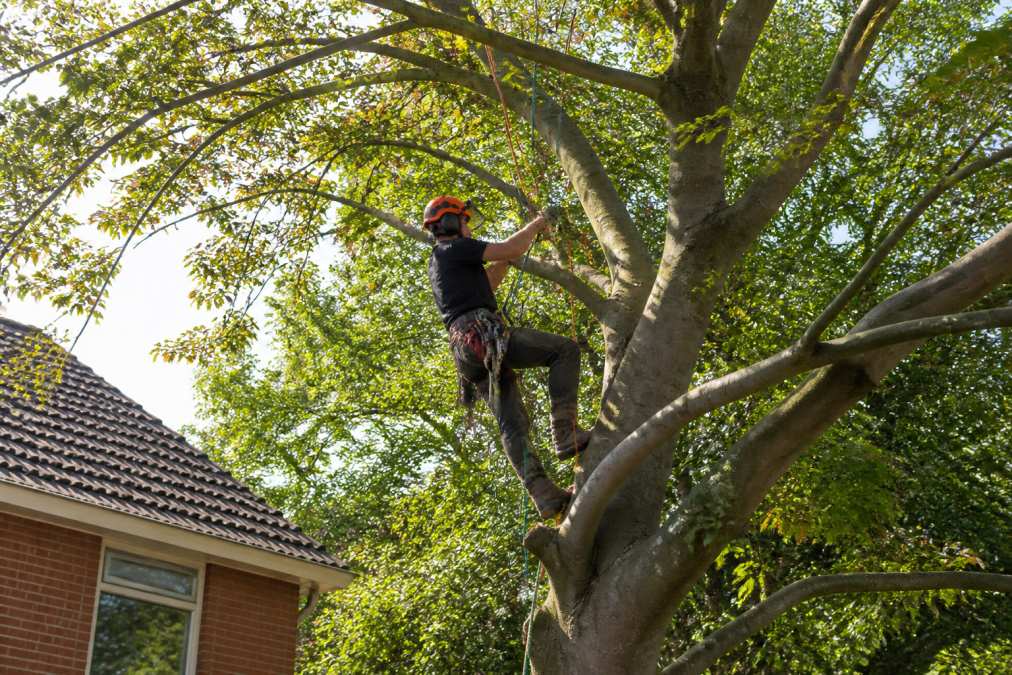
A dense canopy blocks light from lawns, borders, and windows, and it traps still, damp air underneath. Reducing the crown by a measured amount opens the canopy so light reaches the ground and air moves through freely.
The result is healthier grass, less moss and algae on paths and fences, and a garden that dries out faster after rain. Getting the percentage right matters more than cutting aggressively.
Safer Trees After Storm Damage
Reducing a crown cuts the sail area that catches wind, which lowers the load on limbs and the trunk. On exposed sites, that can be the difference between a tree that rides out a gale and one that sheds limbs onto a roof or driveway.
It is not a guarantee against storm damage. A tree with decay, root problems, or a poor structure needs a proper assessment first, because reduction alone will not fix those faults.
Crown Thinning vs Crown Reduction: What's the Difference?
Crown thinning and crown reduction are not the same job, and confusing them leads to the wrong specification. Thinning removes selected branches from within the canopy to let more light through without changing the tree's height or spread. Reduction shortens the canopy itself, lowering the overall height and width.
| Aspect | Crown Thinning | Crown Reduction |
|---|---|---|
| What changes | Density only | Height and spread |
| Tree size after work | Same | Smaller |
| Main purpose | Light and airflow | Size control and wind load |
| Typical removal | Selected inner branches | Branch ends across the outer canopy |
| Best for | Dense, crowded canopies | Trees outgrowing their space |
If your tree is simply too dense, thinning is usually the answer. If it is too big, you need reduction.
BS3998 Tree Work Recommendations: What the Standard Says
BS3998 is the British Standard giving recommendations for tree work, and it is the reference point any competent arborist should be working to. It defines crown reduction as a reduction in height and spread, and it sets out how cuts should be made to leave the tree able to seal them off.
The standard is clear that reduction should normally stay within the tree's natural ability to recover, and it advises against removing too much live growth at once. It also covers pruning cuts, timing, and the importance of working to a clear specification.
Following BS3998, the British Standard for tree work is how you tell a professional job from a cowboy one. Ask any contractor which standard they work to.
Tree Preservation Orders: When You Need Permission
A Tree Preservation Order, or TPO, is a legal protection placed on a tree by the local authority, meaning you need written permission before carrying out most work on it (Tree Preservation Orders and trees in conservation areas). Felling, topping, and significant pruning all require consent. Reduction is no exception.
The same applies in a conservation area, where you must give the council notice before work starts. Penalties for unauthorised work can be substantial, so check before anyone touches the tree.
Your arborist should confirm the tree's status as part of quoting. If a contractor offers to "just crack on" without checking, walk away. For the rules in your area, see guidance on Tree Preservation Orders and protected trees.
When Crown Reduction Pruning Is the Right Call
Reduction is the right call when a tree has genuinely outgrown its space, when branches are encroaching on a building or power line, or when a storm-damaged crown needs rebalancing. It is also sensible where a tree is casting heavy shade over a garden or solar panels.
It is the wrong call when the tree is unhealthy, when the real problem is the roots, or when someone simply wants a big tree made small in one visit. In those cases, a full assessment comes first.
Choosing a Qualified Arborist: What to Check
Ask for proof of qualifications, insurance, and a written specification before any work begins. Anyone can buy a chainsaw; not everyone is trained or covered.
Check these before you book:
- Relevant NPTC or equivalent chainsaw and climbing certificates
- Public liability insurance, with a certificate you can actually see
- A written quote that names the tree, the work, and the standard being followed
- Confirmation they have checked for TPOs and conservation area status
- A clear plan for removing arisings and leaving the site tidy
A reputable firm will answer all of this without hesitation. James David Forestry Ltd works to BS3998, carries full insurance, and provides free quotes by photo, video, or site visit, with transparent pricing and no surprise costs.
Frequently Asked Questions
What is the main purpose of crown reduction pruning?
Crown reduction pruning reduces the height and spread of a tree's canopy while keeping its natural shape. It is forced to manage size, improve light, remove weight from weak limbs and reduce risk. The aim is to leave a healthy, balanced tree that fits its space without the shock of harsh topping.
How does crown reduction differ from tree topping?
Crown reduction makes targeted cuts back to strong side branches, following the tree's natural form. Topping cuts across main limbs or stems, leaving stubs that rarely heal. Topping caforces decay, weak regrowth and long-term decline. Crown reduction, done to BS3998, protects tree health while achieving the size control you want.
Will crown reduction harm my tree?
When carried out correctly by a qualified arborist, crown reduction does not harm the tree. The key is removing no more than the recommended percentage of the crown, usually 10-20%, and making clean cuts in the right places. Poor pruning or removing too much can stress a tree, which is why you should always check qualifications and insurance before work starts.
Do I need planning permission for crown reduction in a conservation area?
If your tree is covered by a Tree Preservation Order or stands in a conservation area, you must get permission from your local council before any pruning. For a TPO you need formal consent; in a conservation area you must give six weeks' notice. An arborist can check the status and handle the paperwork, so you avoid fines or delays.
A crown reduction done badly is worse than no work at all, and it is hard to undo once the cuts are made. Getting the specification, the permissions, and the arborist right the first time protects both your tree and your property. James David Forestry Ltd handles crown reduction across Merseyside and West Lancashire with in-house climbers, no subcontractors, and a clean site left behind. Get a free quote and find out exactly what your tree needs.
Need a tree surgeon?