Emergency Storm Damage Tree Removal Cost: What to Budget
Editorial Team · 11 min read · 09/10/2026
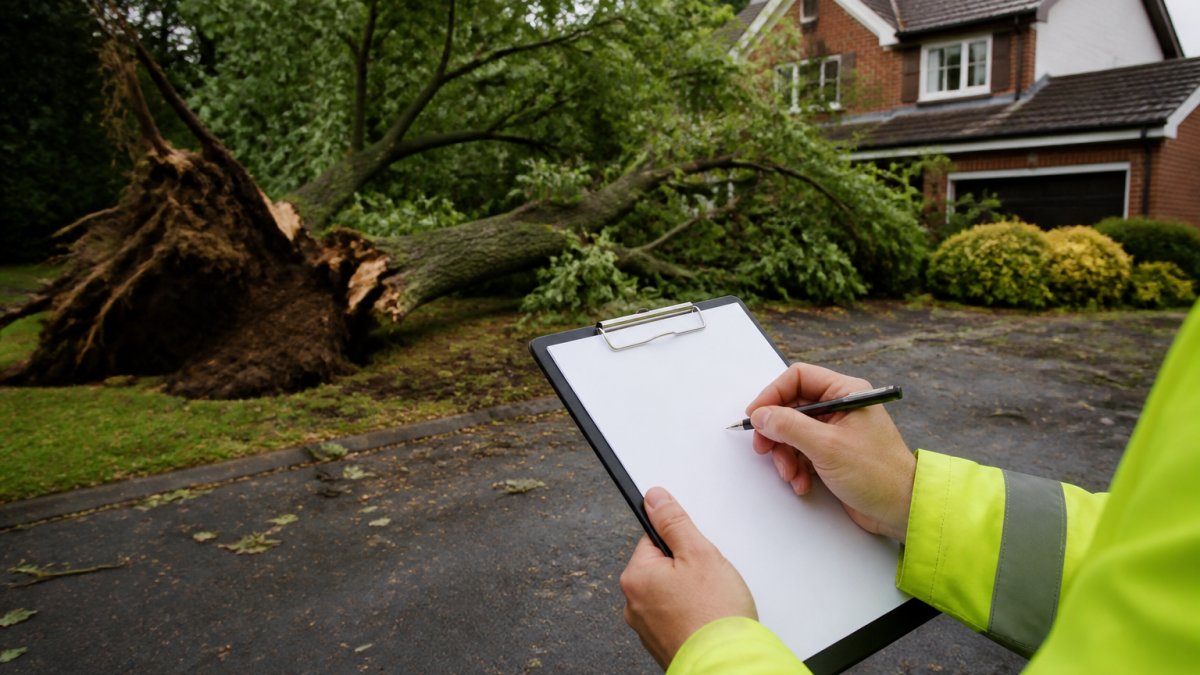
Table of Contents
- What Determines Emergency Storm Damage Tree Removal Cost
- Understanding Emergency Tree Surgeon Call-Out Fees
- Tree Surgery Insurance Claims: What Your Policy Covers
- Tree Preservation Order Regulations and Cost Implications
- When Professional Removal Is Essential After Storm Damage
- Getting Accurate Quotes and Avoiding Hidden Costs
- Frequently Asked Questions
Last Updated: October 9, 2026
What Determines Emergency Storm Damage Tree Removal Cost
When a storm hits, a fallen or damaged tree becomes an urgent safety problem. The cost to remove it varies dramatically depending on several key factors. Understanding what drives the price helps you budget properly and avoid nasty surprises when you call a tree surgeon.
Tree size and complexity
Larger trees cost more to remove. A mature oak takes far longer to fell safely than a smaller birch. The surgeon must plan how the tree falls, rig sections carefully, and manage the weight. Dense hardwoods like oak are heavier and slower to process than softer species.
Storm damage adds complexity. A tree snapped halfway up the trunk behaves differently from one uprooted at the base. Branches hanging at odd angles create unpredictable load patterns. The surgeon must assess each limb's position before cutting. A tree leaning against a house or fence demands extra care and rigging equipment.
Dead or diseased wood is riskier. It's brittle and unpredictable. A branch that looks solid might snap unexpectedly. This forces the surgeon to work more slowly and use more safety measures.
Access and location
Where the tree sits determines how much work it takes. A tree in an open garden is straightforward. One wedged between a house and fence requires careful rigging and possibly mobile elevated work platforms. If the tree is near power lines, water pipes, or a neighbour's property, the job becomes significantly more complex.
Soft ground, slopes, and poor access routes all add time and equipment needs. A tree accessible by vehicle costs less than one requiring manual carrying of debris. If the surgeon must navigate narrow gates, fences, or stairs, labour time increases.
Urgency and timing
Emergency calls after storm damage command higher fees. Tree surgeons prioritise safety-critical work, which means they may drop other jobs to attend yours. This premium reflects the disruption to their schedule. Non-emergency work scheduled weeks ahead costs less because they can plan their team around it.
Seasonal demand matters too. Winter storms create queues of damaged trees. Summer removal is often easier to book and sometimes cheaper because fewer emergencies compete for attention.
Understanding Emergency Tree Surgeon Call-Out Fees
Emergency tree surgeon call-out fees vary widely. Most surgeons charge a premium for same-day or next-day response to storm damage. The fee covers immediate assessment, safety measures, and priority scheduling.
Some surgeons offer free initial assessments via photo or video. Others charge a call-out fee that's waived if you proceed with the work. At James David Forestry Ltd, we provide free quotes using photos, videos, or a site visit so you know the cost before committing.
Call-out fees typically reflect the surgeon's travel time and the urgency of the situation. A tree threatening your house gets faster response than one that's merely inconvenient. The surgeon needs to determine whether the tree is an immediate hazard requiring emergency stabilisation or can wait for scheduled removal.
Ask what the call-out fee includes. Does it cover a full assessment and quote, or just a visual inspection? Can you apply it towards the removal cost if you hire them? Transparent pricing upfront prevents disputes later.
Tree Surgery Insurance Claims: What Your Policy Covers
Does your insurance cover storm damage tree removal?
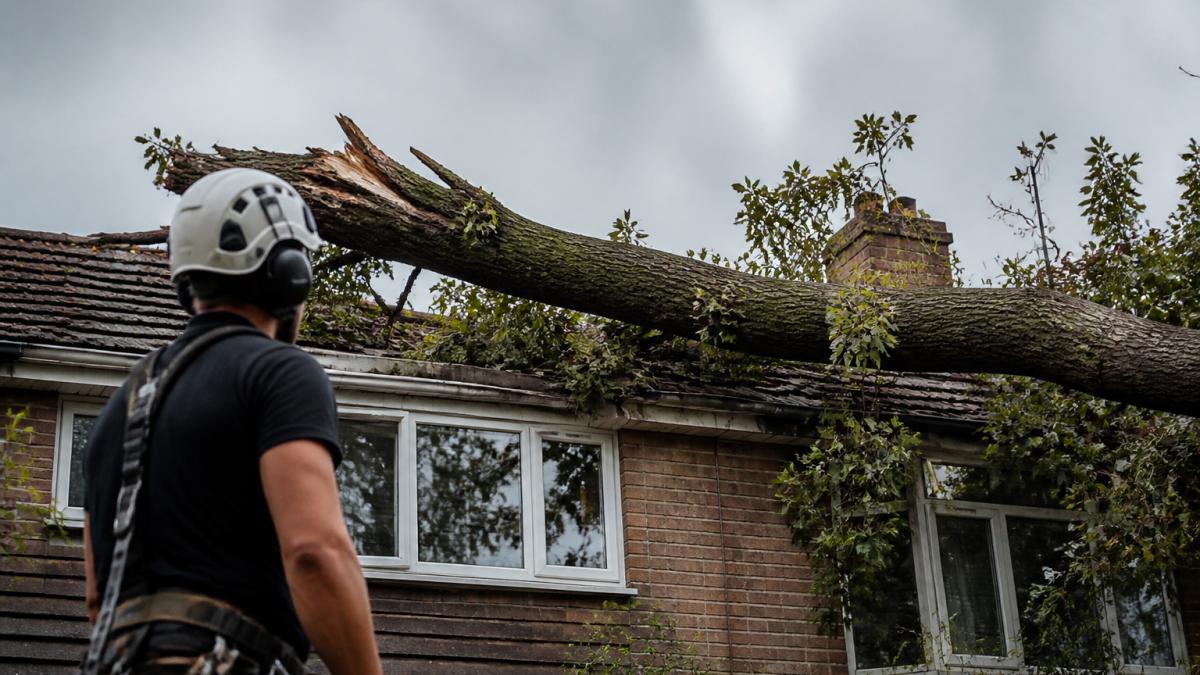
Many household insurance policies cover emergency tree removal if the tree poses an immediate risk to your property. The tree must be a genuine hazard, fallen across your roof, blocking your only exit, or leaning dangerously toward your house.
Check your policy documents. Look for clauses about storm damage, fallen trees, or emergency repairs. Some policies cover removal costs fully. Others cover only damage to your property caused by the tree, not the removal itself. A few exclude tree work entirely unless the tree damaged your building first.
Insurance companies often require you to get multiple quotes before approving payment. They may send their own surveyor to assess the damage. If you remove the tree without approval, they might refuse to reimburse you.
Timing matters for claims
Report the damage to your insurer quickly. Most policies require notification within a specific timeframe. Delaying a claim can jeopardise your entitlement. Take photos and videos of the damage before any work begins; these documents support your claim.
Some insurers have preferred contractors they recommend. Using their approved surgeon may speed approval and payment. If you hire your own surgeon, keep all quotes, invoices, and correspondence to submit with your claim.
What insurance typically won't cover
Routine tree maintenance after a storm isn't usually covered. If the tree survived but needs pruning or crown reduction to prevent future damage, that's your responsibility. Insurance covers emergency removal, not prevention.
Trees that were already diseased or dead before the storm may also be excluded. The insurer might argue you should have removed the hazard earlier. This is why regular tree inspections matter; they show you maintained the property responsibly.
Tree Preservation Order Regulations and Cost Implications
What is a Tree Preservation Order?
A Tree Preservation Order (TPO) is a legal protection placed on trees by your local council. It prevents you from cutting down, lopping, topping, or uprooting a protected tree without council permission. Breaching a TPO can result in fines up to £20,000 or prosecution.
Even after storm damage, you typically need consent to remove a protected tree. The council will assess whether the tree is genuinely dangerous or can be saved. This process adds time and cost to emergency removal.
Getting emergency TPO consent
If a tree is an immediate safety risk, you can act first and notify the council afterwards. Document the danger clearly, with photos showing the tree threatening your property or blocking access. Contact your local authority's planning department immediately and explain the emergency.
For non-emergency situations, apply for TPO consent before work begins. The council usually responds within 8 weeks. They may grant permission, refuse it, or require you to attempt restoration instead of removal. Professional tree surgeons familiar with TPO regulations can guide you through this process.
Cost of TPO compliance
Complying with TPO rules adds administrative time and sometimes requires specialist reports. A tree surgeon experienced with TPOs can prepare documentation that supports your case for removal. This service costs extra but protects you from legal trouble.
At James David Forestry Ltd, we're familiar with local TPO regulations and can advise whether your damaged tree requires consent before removal.
When Professional Removal Is Essential After Storm Damage
You need a professional tree surgeon immediately if:
- A tree is leaning against your house, garage, or fence
- Large branches hang over your roof or power lines
- The tree is blocking your only exit route
- Roots are exposed and the tree might fall
- The tree is dead or has large dead sections
- You can't safely reach or assess the damage yourself
Attempting DIY removal on a storm-damaged tree is dangerous. The wood is unpredictable. Branches may snap without warning. Falling sections can cause serious injury or property damage. A professional has insurance, safety equipment, and training to handle hazards you can't predict.
Why speed matters
A tree threatening your home needs urgent attention. Delaying increases the risk of further damage during bad weather. Professional surgeons can often respond quickly for genuine emergencies. The faster you act, the less additional damage occurs.
Insurance claims also move faster when you engage a professional quickly. The insurer knows you're taking the situation seriously and acting responsibly.
Getting Accurate Quotes and Avoiding Hidden Costs
What to ask when requesting quotes
Always get multiple quotes before committing. Ask each surgeon:
- What does the price include? (Removal, stump grinding, debris clearing, site cleanup)
- Are there extra charges for difficult access or rigging?
- Do they remove and chip the wood, or leave it for you to manage?
- What's their timeline for completing the work?
- Are they fully insured and qualified?
- Can they provide references from recent storm damage removals?
A detailed quote breaks down labour, equipment, and disposal costs. It specifies what's included and what costs extra. Vague quotes that say "from £X" often hide surprises.
Why transparent pricing matters
Dishonest contractors sometimes quote low, then claim "complications" mid-job and demand more money. Transparent surgeons quote honestly upfront. They explain what makes the job complex and price accordingly. If unexpected issues arise, they discuss options with you before proceeding.
At James David Forestry Ltd, we provide free quotes via photo, video, or site visit. Our pricing is transparent, with no surprise charges when the work is done. We explain exactly what we're doing and why.
Red flags in quotes
- Extremely low prices compared to others (likely indicates inexperience or hidden costs)
- Vague descriptions of what's included
- No mention of insurance or qualifications
- Pressure to pay upfront before work begins
- Refusal to provide references or credentials
A quality tree surgeon stands behind their work and pricing. They're happy to explain their costs and answer questions.
Emergency storm damage tree removal costs depend on tree size, location complexity, urgency, and local regulations. Getting multiple transparent quotes from qualified professionals protects you financially and legally. James David Forestry Ltd offers free quotes and clear pricing so you know exactly what to expect. We're fully insured, qualified, and respond quickly to genuine emergencies. Contact us for a no-obligation assessment of your storm-damaged trees; we'll explain the costs and options clearly before any work begins.
Frequently Asked Questions
Does home insurance cover emergency tree removal?
Home insurance may cover emergency tree removal if the tree has caused damage to your property, such as fallen branches through a roof or a tree blocking access. However, cover depends on your specific policy and the circumstances. Damage caused by poor tree maintenance or neglect is often excluded. Contact your insurer immediately after storm damage to report the incident and clarify what your policy covers before obtaining quotes.
What factors influence the cost of emergency tree removal?
Emergency tree removal cost depends on several factors: tree size and height, how it fell or its position, whether it's blocking access or utilities, ground conditions, and how quickly you need it done. Trees near buildings or power lines cost more to remove safely. Call-out fees for urgent same-day or night work also increase costs. A qualified tree surgeon will assess these factors during a site visit to provide an accurate quote.
Is emergency tree removal more expensive than standard removal?
Yes, emergency removal typically costs more because it requires immediate dispatch, often outside normal working hours, and may involve additional safety measures. Standard tree removal scheduled in advance allows better planning and lower costs. However, emergency call-out fees vary depending on timing; weekend or night work costs significantly more than daytime removals during the week.
What should I do immediately after a tree falls on my property?
First, ensure everyone is safe and move away from the fallen tree. Contact your home insurer to report the damage and document it with photos. Call a qualified tree surgeon to assess the hazard and provide a removal quote. Do not attempt to remove the tree yourself, especially if it's near buildings, power lines, or blocking access. A professional can safely remove it and advise on insurance claims.
Need a tree surgeon?