Emergency Tree Removal Services: Your Quick Response Guide
Editorial Team · 12 min read · 19/10/2026
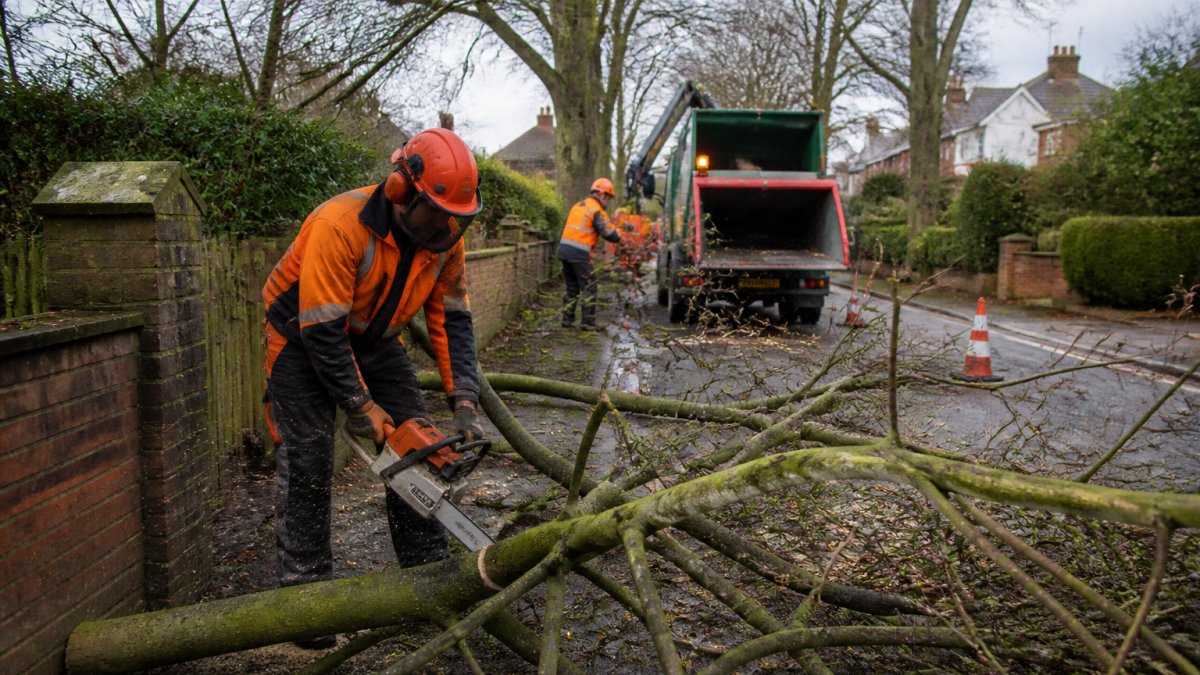
Table of Contents
- When You Need Emergency Tree Removal Services
- How to Safely Clear Small Fallen Tree Limbs
- Tree Branches on Power Lines: What to Do
- Understanding Emergency Tree Removal Cost
- Tree Preservation Order Emergency Work: Your Rights
- What to Expect When You Call an Emergency Tree Surgeon
- Getting Your Free Quote and Next Steps
- Frequently Asked Questions
Last Updated: 18 October 2026
When You Need Emergency Tree Removal Services
A fallen tree or dangling branch isn't something you can leave sitting in your garden. When weather strikes or a tree suddenly becomes unsafe, emergency tree removal services become your immediate priority. Whether it's storm damage, a tree leaning toward your property, or branches threatening power lines, the faster you respond, the safer your home and family become.
We at James David Forestry Ltd understand that emergencies don't follow business hours. Severe weather can strike any time, high winds, heavy snow, or lightning can turn a healthy tree into a hazard within minutes. The key is knowing when to call for professional help and what to expect when you do.
Most homeowners don't realise that attempting tree removal yourself after an emergency creates serious liability issues. If a branch you've cut falls and damages a neighbour's property or injures someone, you're financially responsible. Professional emergency tree removal services carry full insurance and the expertise to handle complex situations safely.
How to Safely Clear Small Fallen Tree Limbs
Small fallen branches don't always require professional intervention, but you need to know your limits. If a limb is lying on your lawn, not touching power lines, and isn't blocking access to your home, you can often manage it yourself. The critical question is: can you safely do the work without risk to yourself or others?
For branches under 10 centimetres in diameter, a standard handsaw or pruning saw works well. Wear heavy-duty gloves, eye protection, and sturdy footwear, branches can roll unexpectedly when you cut through them. Never use a chainsaw unless you have formal training and proper safety equipment (Working with chainsaws). Many people injure themselves with chainsaws each year, and most of those injuries happen during informal work in gardens.
Start by assessing the branch's position. Is it stable, or does it shift when you touch it? Never work under a branch that's hung up in another tree or leaning against your roof, these can suddenly drop. If the limb is suspended or under tension, stop immediately and call a professional. That's where emergency tree removal services become essential.
For branches on the ground, cut them into manageable lengths, roughly 60 centimetres pieces stack more easily than full-length limbs. Stack the cut wood neatly to one side, or arrange it for collection by a garden waste service. Never leave debris scattered across your property; it creates trip hazards and looks neglected.
Tree Branches on Power Lines: What to Do
When tree branches touch overhead power lines, the situation changes entirely. Electricity doesn't care whether the branch is large or small, contact with live wires is lethal. This is the single most dangerous scenario you'll face with fallen trees, and it demands immediate professional action.
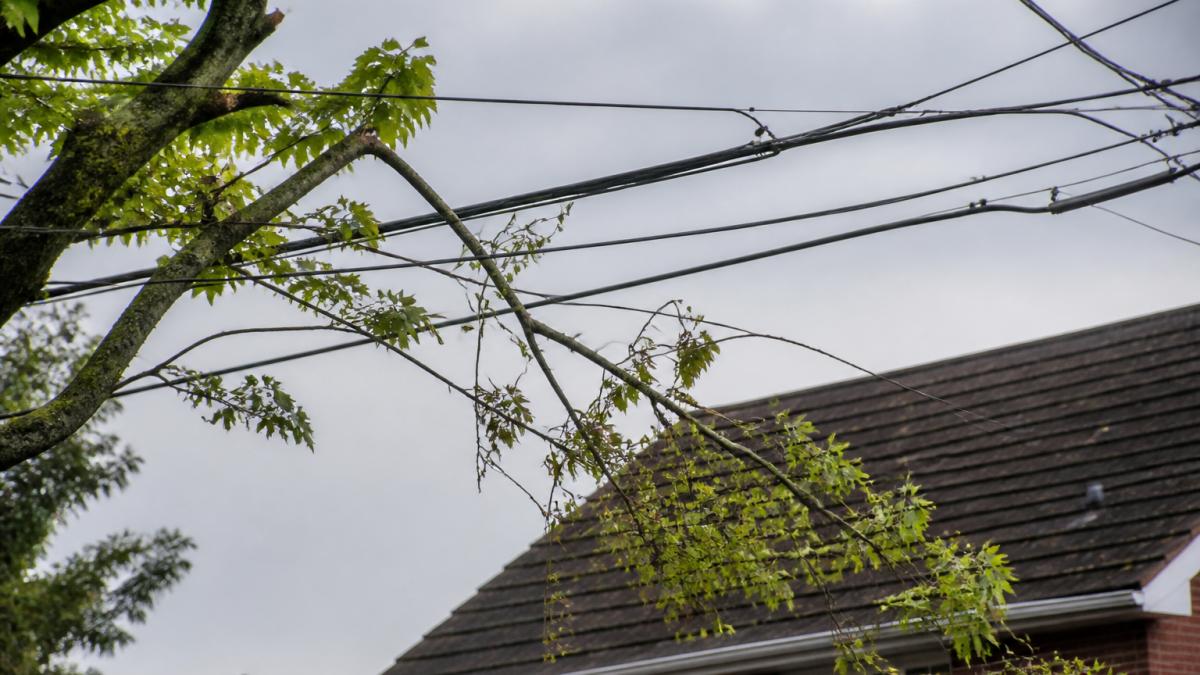
Your first action is to call your electricity supplier's emergency line, not the local council. In most areas, the network operator will dispatch a crew to isolate the power or safely remove the hazard. They handle this regularly and have the right equipment.
If the branch is actively arcing or sparking, keep everyone, including pets, at least 10 metres away. Treat it as an active electrical emergency. Call 999 if anyone has been in contact with the branch or if there's any doubt about safety.
Emergency tree removal services work closely with utility companies in these situations. The process typically involves the utility isolating the circuit, then our team carefully removing the branch once power is confirmed dead.
Many property owners worry about costs in these scenarios. The utility company typically handles their own lines at no charge to you.
Understanding Emergency Tree Removal Cost
Emergency tree removal pricing depends on several factors, and understanding them helps you make informed decisions. The size of the tree, its condition, accessibility, and whether it's damaged or simply hazardous all affect the final cost. A small branch removal looks nothing like taking down a 15-metre oak that's split down the middle.
Most emergency situations are more expensive than routine tree work because they require faster response, often outside normal hours, and carry higher risk. A tree that's partially fallen or leaning precariously demands careful rigging to prevent further damage. This takes time, expertise, and specialised equipment.
When you contact emergency tree removal services, ask for a breakdown of costs. Professional providers like James David Forestry Ltd offer free quotes, we can assess the situation via photos or video if time is critical, then provide a transparent price with no hidden charges. This matters because some providers add unexpected fees once they're on site ("complications discovered" is a common excuse for price increases).
Insurance often covers emergency tree removal if the tree was healthy before the incident and storm damage caused the emergency. Check your home insurance policy before paying out of pocket. Some policies cover up to a certain amount; others require you to use their approved contractors. Knowing this in advance prevents disputes later.
The key is getting a fixed quote before work begins so you're not caught off guard when the invoice arrives.
Tree Preservation Order Emergency Work: Your Rights
A Tree Preservation Order (TPO) protects certain trees from being cut down or significantly pruned without council permission. If an emergency involves a tree under a TPO, you still have rights, but you need to understand the rules.
In genuine emergencies where a tree poses immediate danger to life or property, you can take action without prior permission. If a tree is leaning dangerously, has large dead branches, or has partially fallen, you can remove the hazardous parts. However, you must notify your local council within five days of the work, explaining why the emergency action was necessary.
The distinction matters: you can remove what's dangerous, but you cannot use an emergency as an excuse to prune back a healthy tree simply because you dislike its size. Councils take TPO violations seriously, and fines can be substantial.
When emergency tree removal services work on a TPO tree, the contractor needs to document everything. Photographs before, during, and after the work protect both you and the service provider. If the council later questions whether the work was truly necessary, this documentation proves you acted responsibly.
Contact your local council's planning department if you're uncertain whether a tree carries a TPO. A five-minute phone call prevents expensive mistakes. Many councils also allow emergency work to proceed first with notification after, the key is being honest about why the work was necessary and following up properly.
What to Expect When You Call an Emergency Tree Surgeon
When you ring an emergency tree removal service, the first question is usually about the urgency and nature of the problem. Be specific: describe the tree's size, its condition, what's making it dangerous, and whether anyone or anything is at immediate risk. This helps the operator prioritise your call and send the right crew.
Professional tree surgeons ask detailed questions because they need to plan the work. Are power lines involved? Is the tree near a building? What's the ground condition, soft, waterlogged, or solid? These details determine whether they need specialist equipment, how many people to send, and how long the job will take.
Response times vary. During calm weather, a call might be answered within hours. After a major storm, dozens of emergencies queue up, and response times stretch to days. This is simply the reality of emergency services, everyone needs help at once.
When the team arrives, expect them to assess the situation thoroughly before beginning. Rushing into tree removal causes accidents. A good tree surgeon will explain what they're doing, why they're doing it, and what the likely outcome is.
At James David Forestry Ltd, we arrive with our own fully qualified climbers, no subcontractors. We bring the equipment needed for the job, work safely and efficiently, and leave your property clean and tidy.
Getting Your Free Quote and Next Steps
The first step toward resolving your tree emergency is a professional assessment. Rather than guessing at costs or risk, get a proper quote from someone who understands the work involved. We provide free quotes via photo, video, or an in-person visit, whichever suits you.
When requesting a quote, provide as much detail as possible. Photos taken from different angles help us understand the tree's size, condition, and proximity to buildings or power lines. If you can shoot a short video showing the hazard, that's even better. We'll review the information and provide a transparent price with no hidden costs or surprise charges later.
Once you have a quote, check that it includes everything: tree removal, branch chipping or removal, stump grinding if needed, and site cleanup. Ask whether the price is fixed or subject to change.
Insurance is another important discussion. If storm damage caused the emergency, your home insurance may cover costs. We can advise on what documentation your insurer needs and help ensure the work meets their requirements. This prevents claim denials or disputes down the line.
The final step is booking. Emergency tree removal services fill up quickly after storms, so don't delay. Once you've decided to proceed, confirm the date and time, and ensure someone is home when the team arrives. Clear the area of obstacles, garden furniture, toys, or parked cars, so our crew can work safely and efficiently.
Frequently Asked Questions
What should I do if a tree falls during a storm?
First, check for immediate danger to people and property. If branches are near power lines, do not touch them, contact the electricity network operator immediately. Clear small, safe debris yourself only if it does not involve power lines or climbing. For larger fallen trees or those blocking access, contact an emergency tree removal service straight away. Document damage with photos for insurance purposes.
How quickly can an emergency tree surgeon attend after I call?
Response times vary depending on weather conditions, current demand, and the severity of other emergencies in the area. Many professional tree surgeons prioritise calls involving hazards to people, property, or utilities. When you contact a service, ask directly about their availability and expected arrival time. During major storms, response may take longer; be prepared to wait or secure the area yourself if safe to do so.
Is it safe to remove a fallen tree yourself?
Only if the tree is small, fully on the ground, and poses no hazard, no power lines, no unstable branches, and no risk of rolling or shifting. Wear safety gear including gloves, eye protection, and sturdy boots. Never use a chainsaw without proper training and certification. If the tree is large, partially suspended, or you are uncertain, call a professional. Attempting complex removals without experience can result in serious injury.
Can I remove a tree without permission if it's a genuine emergency?
If a tree is actively dangerous, falling, blocking emergency access, or posing immediate risk, you may take urgent action to make it safe. However, if the tree is protected by a Tree Preservation Order, you must notify your local authority as soon as possible, even in emergencies. They can grant emergency consent. Always check your local council's guidance on TPO emergency procedures before taking action.
Emergency tree situations are stressful, but they're manageable with the right help. James David Forestry Ltd has handled hundreds of emergency calls across Merseyside and West Lancashire. We respond quickly, work safely, and deliver transparent pricing with no surprises. When your tree emergency strikes, call us for a free quote and let our experienced team handle the rest. Contact James David Forestry Ltd for emergency tree removal
Need a tree surgeon?