Table of Contents
- What Determines Tree Crown Reduction Costs
- Getting a Tree Crown Reduction Quote
- Tree Pruning Costs vs Crown Reduction
- Tree Reduction vs Crown Thinning: Cost Differences
- Tree Preservation Order Permission for Tree Work
- Cost-Saving Strategies for Crown Reduction
- Timeline and Budget Planning for 2026
- Frequently Asked Questions
Last Updated: 17 October 2026
What Determines Tree Crown Reduction Costs
Tree crown reduction costs vary dramatically depending on several interconnected factors. Understanding what drives pricing helps you budget accurately and avoid nasty surprises when the invoice arrives. Most homeowners underestimate complexity until a qualified surveyor actually assesses the work.
Tree size and height
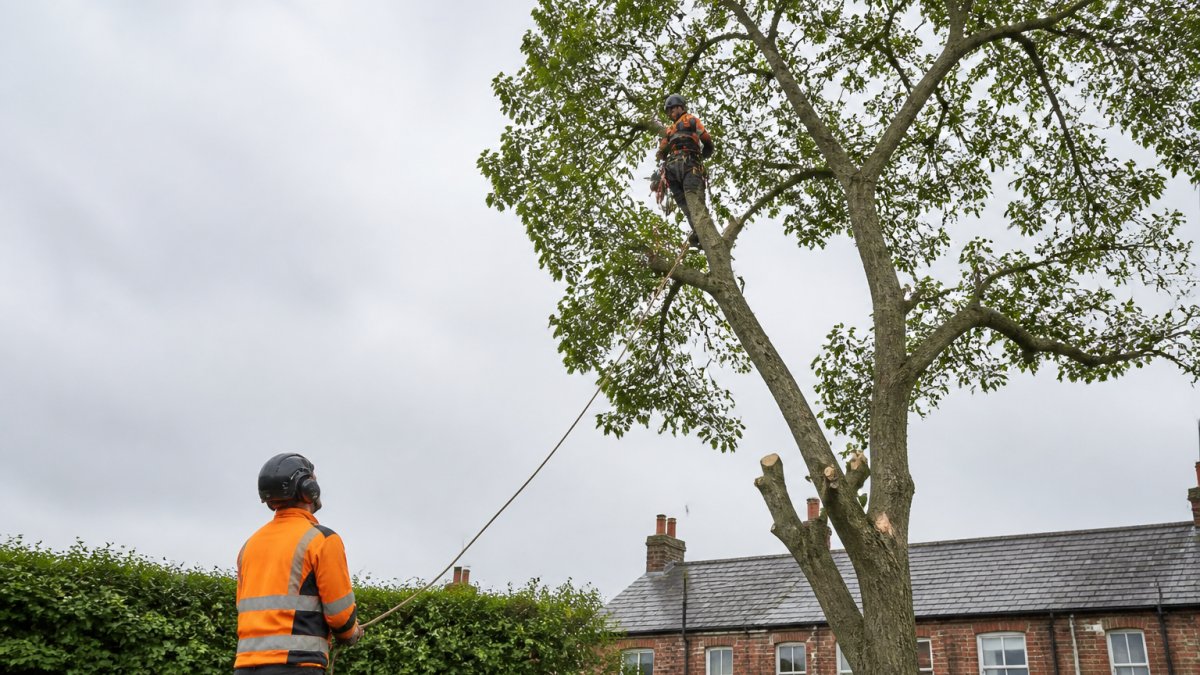
The larger the tree, the more expensive the job. Height matters because taller trees require more sophisticated rigging, longer working hours, and greater safety precautions. A 20-metre oak demands different equipment and techniques than a 10-metre apple tree. Larger trees also produce more waste material that needs disposing of, which adds to the final bill.
Tree species and condition
Different species behave differently when cut. A healthy beech responds predictably to pruning; a diseased or storm-damaged specimen becomes unpredictable. Some species are denser and heavier, requiring stronger equipment and more careful lowering techniques. Dead wood, disease, or structural defects increase risk and therefore labour time. A tree surgeon must spend longer assessing and planning work on compromised trees, and that planning time is part of your cost.
Location and access
A tree in an open field costs less to work on than one surrounded by garden structures, fences, or neighbouring properties. Limited access means more manual work instead of machinery. Ground conditions matter too, soft or waterlogged soil prevents vehicle access, forcing teams to carry equipment and materials by hand. Urban gardens with tight spaces, overhead power lines, or proximity to buildings all push costs up because safety protocols become more demanding.
Complexity and risk factors
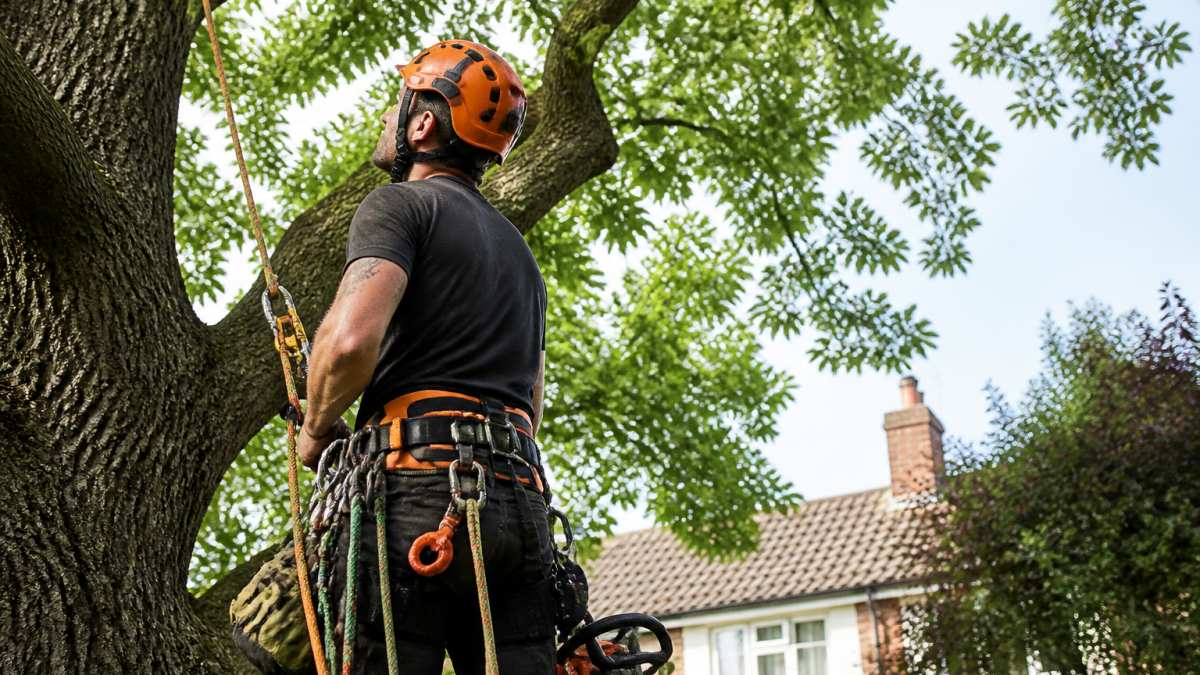
Risk elevates cost immediately. Trees overhanging buildings, adjacent to drains, or near power lines require specialist insurance and careful planning. Dead branches, significant lean, or hollow sections add complexity. Weather exposure, soil stability, and the tree's overall structural integrity all feed into the surveyor's assessment. High-risk work simply takes longer and demands more expertise.
Getting a Tree Crown Reduction Quote
A transparent quote protects both you and the contractor. The best quotes break down exactly what you're paying for and why.
What a transparent quote should include
A proper tree crown reduction quote should itemise labour, equipment, waste disposal, and any permits or permissions needed. It should specify the percentage of crown being removed, the expected outcome, and the timeline. The quote should also confirm insurance cover and clarify what "tidy" means, will branches be chipped on site, or removed entirely? Are stumps left, or ground level cuts? These details matter because they change the scope and cost.
Avoiding hidden costs and surprises
Hidden costs emerge when surveys are rushed or incomplete. Ask the contractor to visit in person and spend time actually looking at the trees, not just quoting over the phone. Clarify what happens if complications emerge during work, does the price change, and by how much? Get confirmation in writing about site access, parking, and waste removal. A contractor who won't commit to transparent pricing before starting work is a red flag. James David Forestry Ltd provides free quotes via photo, video, or site visit, so you see the assessment process and understand the reasoning behind the price before any commitment.
Tree Pruning Costs vs Crown Reduction
These are different jobs with different price tags. Tree pruning typically maintains shape and health, removing small amounts of growth annually. Crown reduction removes a significant percentage of the crown, often 20-30%, to reduce height, weight, or improve light penetration. Crown reduction is more invasive, takes longer, and costs more. Pruning is maintenance; crown reduction is structural work.
Tree Reduction vs Crown Thinning: Cost Differences
Crown thinning removes dead wood and selective live branches to improve air flow and light without changing the tree's overall shape or height. It's less disruptive than crown reduction. Crown reduction, by contrast, physically lowers the tree or reduces its spread. Thinning is cheaper because it's less labour-intensive and produces less waste. If your goal is simply to improve light or air circulation, thinning may deliver what you need at lower cost than full crown reduction.
Tree Preservation Order Permission for Tree Work
If your tree sits under a Tree Preservation Order, you cannot carry out crown reduction without Local Authority consent. Applying for permission adds time and cost to your project. The application itself is usually free, but delays mean postponing work. Some Local Authorities respond within weeks; others take months. If you're planning crown reduction work in 2026, check with your council now whether your trees carry a TPO. This single factor can shift your entire timeline and budget. A qualified tree surgeon like James David Forestry Ltd can advise whether a TPO applies and help navigate the permission process.
Cost-Saving Strategies for Crown Reduction
Genuine savings come from smart planning, not cutting corners on safety or quality.
Timing and planning ahead
Booking work in autumn or winter, when demand is lower, sometimes attracts better availability and pricing. Planning ahead also means you're not forced into emergency rates if a tree becomes hazardous. Contractors juggling emergency call-outs charge premiums; scheduled work runs more smoothly and costs less.
Combining multiple trees
If you have several trees needing work, ask for a combined quote. Contractors can mobilise equipment once and work through multiple jobs efficiently. The per-tree cost often drops when work is bundled. A team already on site and set up can move between trees faster than mobilising separately for each one.
Maintenance schedules
Regular light pruning prevents trees from becoming overgrown and expensive to manage later. A small annual tidy costs far less than a major crown reduction every ten years. Preventive maintenance spreads costs over time and keeps trees healthier. It's the difference between spending annually on maintenance versus on emergency crown reduction when a tree finally becomes unmanageable.
Timeline and Budget Planning for 2026
Crown reduction projects rarely happen overnight. Surveys take a few days, quotes a few more. If a TPO applies, add weeks for Local Authority approval. Actual work might be scheduled months ahead, depending on contractor availability and seasonal factors. Budget for the full timeline, not just the work day itself. Weather delays are common, tree surgeons won't work in high winds or heavy rain, so flexibility matters. Plan your budget to include a contingency for complications discovered during work, though transparent contractors will discuss potential issues upfront.
Maintaining safe, attractive trees requires balancing cost, timing, and quality. Crown reduction is a significant investment, but deferring necessary work often costs more in emergency repairs or property damage later. We at James David Forestry Ltd help homeowners and property managers understand exactly what crown reduction involves and why transparent pricing protects everyone. Get a free quote via photo, video, or site visit, we'll assess your trees properly and explain the costs without pressure or surprises. Your local council's tree preservation order guidance clarifies whether your trees require permission, and Arboricultural Association guidance on tree work standards sets the professional benchmarks we follow. Safe, efficient tree work starts with clear communication and honest assessment.
Frequently Asked Questions
How much does tree crown reduction cost in 2026?
Tree crown reduction costs vary significantly based on tree size, species, location, and complexity. Pricing depends on whether the tree is small (under 5 metres), medium (5-10 metres), or large (over 10 metres), plus factors like access difficulty and whether a Tree Preservation Order applies. Request a free quote from a qualified tree surgeon who can assess your specific trees and provide transparent pricing without hidden charges.
What factors affect tree crown reduction costs the most?
The main cost drivers are tree height and crown spread, species and condition, site access and proximity to buildings or utilities, and the level of risk involved. Trees in difficult-to-reach locations, those with structural defects, or those subject to a Tree Preservation Order typically cost more. Professional tree surgeons assess these factors during an on-site visit or via detailed photographs to give accurate quotes.
Do I need permission to reduce a tree's crown?
If your tree is subject to a Tree Preservation Order, you must obtain written consent from your local authority before any crown reduction work begins. Even without a TPO, check your local planning rules. Always hire a qualified tree surgeon who understands these requirements and can advise whether permission is needed. Proceeding without consent can result in significant fines.
What should a tree crown reduction quote include?
A transparent quote should specify the number of trees, their size and species, the exact work to be carried out, waste disposal costs, timeline, insurance and qualifications, and payment terms. Avoid quotes that lack detail or offer vague descriptions like 'tree work' without specifics. Reputable tree surgeons provide itemised quotes and explain any factors that might affect the final cost.
Is crown reduction more expensive than tree trimming?
Crown reduction typically costs more than routine trimming because it involves removing larger branches and reshaping the entire crown structure. Crown reduction reduces the tree's overall size by 20-30%, requiring more skill and time. Routine trimming removes smaller branches and is less labour-intensive. Your tree surgeon can advise which approach suits your tree and budget.
How can I reduce tree crown reduction costs?
Plan ahead rather than waiting for emergencies, as urgent work costs more. Combine multiple trees in one visit to reduce mobilisation costs. Schedule work during off-peak seasons when tree surgeons may offer better availability. Regular maintenance prevents larger, costlier interventions later. Discuss cost-saving options with your tree surgeon during the quote stage.
Need a tree surgeon?