Table of Contents
- Why professional hedge cutting services matter for your property
- Best time to trim hedges and seasonal considerations
- How often to cut a hedge for optimal health and appearance
- Overgrown hedge cutting: assessment and restoration
- Understanding hedge cutting cost and what affects your quote
- What to expect from a qualified hedge cutting contractor
- Choosing a contractor you can trust
- Frequently Asked Questions
Last Updated: October 12, 2026
Why professional hedge cutting services matter for your property
A well-maintained hedge transforms your garden. It defines your boundary, provides privacy, and creates a polished look that reflects your property standards. Yet many homeowners delay hedge maintenance, often until the situation becomes unmanageable.
Overgrown hedges create real problems. They block light, harbour pests, weaken structurally, and damage your home's kerb appeal. They also pose safety risks, branches can fall unexpectedly, and dense growth can hide hazards. Professional hedge cutting services address all of this at once.
What starts as a routine trim often prevents costly damage later. The difference between DIY attempts and professional work is striking: professionals understand hedge biology, use the right equipment, and deliver results that last.
Regular maintenance keeps hedges healthy and attractive. It prevents the need for expensive restoration work. More importantly, it keeps your property safe and your garden enjoyable.
Best time to trim hedges and seasonal considerations
The ideal time to trim hedges depends on the species and your goals. Most hedges respond best to pruning in late summer or early autumn, typically August through September. This timing allows new growth to harden before winter whilst maintaining shape through the colder months.
Spring pruning, around April to May, works well for formal hedges that need a neat appearance. A second, lighter trim in late summer keeps them tidy. Evergreen hedges like box and yew can tolerate pruning year-round, though early autumn remains optimal.
Avoid pruning during nesting season, roughly March to August, when birds are raising young. This isn't just considerate, it's a legal requirement under the Wildlife and Countryside Act 1981, which protects nesting birds. Professional contractors know these regulations and plan accordingly.
Weather matters too. Trim when conditions are dry. Wet growth is harder to cut cleanly and disease spreads more easily through wet foliage. Frost can damage freshly cut shoots, so avoid pruning immediately before hard frosts.
How often to cut a hedge for optimal health and appearance
Frequency depends on the hedge type and your aesthetic preferences. Formal hedges, like privet and box, need cutting 2-3 times yearly to maintain a neat shape (How to Trim a Hedge). The first cut comes in late spring, a second in mid-summer, and a final trim in early autumn.
Informal hedges, such as hawthorn or beech, typically need only one cut annually in late summer. This maintains their natural appearance whilst preventing overgrowth. Some species, like yew, can go 12-18 months between trims if they're already well-established.
Young hedges require more frequent attention, every 4-6 weeks during the growing season, to encourage dense, bushy growth. Once established, you can reduce frequency significantly.
The key principle is this: regular, light trimming is far easier than occasional heavy cutting. Consistent maintenance prevents the hedge from becoming overgrown and keeps it looking polished year-round. Most property owners find an annual trim sufficient if they start early.
Overgrown hedge cutting: assessment and restoration
Overgrown hedges often look beyond repair until a professional assesses them. The good news: most can be restored, though the process takes time and planning.
Assessment starts with understanding what you're working with. A mature, overgrown hedge might be solid wood underneath. Cutting it back hard can trigger new growth from dormant buds. Some species respond brilliantly to hard pruning; others don't. Professional contractors evaluate the species, age, and overall health before recommending an approach.
Restoration typically happens in stages. A severe cut in autumn is followed by lighter maintenance trims the following year. This prevents shock to the plant and ensures recovery. Attempting to restore an overgrown hedge in one go often kills it or creates an ugly, bare appearance.
The cost of restoration is real. But so is the benefit. A restored hedge becomes a long-term asset requiring only routine maintenance. Leaving it to deteriorate further means eventual removal and replanting, far more expensive.
Professional hedge cutting services assess your specific situation and create a realistic plan. They explain what's possible, what it costs, and how long recovery takes. This transparency helps you decide whether restoration makes sense for your property.
Understanding hedge cutting cost and what affects your quote
Hedge cutting cost varies widely based on several factors. Height, length, density, species, and current condition all influence the price. A small formal hedge might cost significantly less than an overgrown boundary requiring multiple visits.
Several elements affect your quote. Height increases labour time and equipment needs, reaching a 3-metre hedge requires different equipment than a 1.5-metre one. Length matters too; a 30-metre boundary costs more than a 10-metre section. Density and overgrowth severity directly impact how long the work takes.
The condition of the hedge influences cost substantially. A well-maintained hedge needs less time than one choked with dead wood or disease. Accessibility also plays a role, a hedge in a tight garden corner takes longer than one in open space. Whether you want waste removed or left on-site can affect pricing too.
Professional contractors provide free quotes based on a site visit or detailed photos and video. This ensures accuracy. You avoid surprise costs mid-project because the scope is clear from the start. Transparent pricing is a hallmark of reliable service.
For current pricing information and a personalised quote for your property, visit the James David Forestry Ltd pricing page or contact the team directly.
What to expect from a qualified hedge cutting contractor
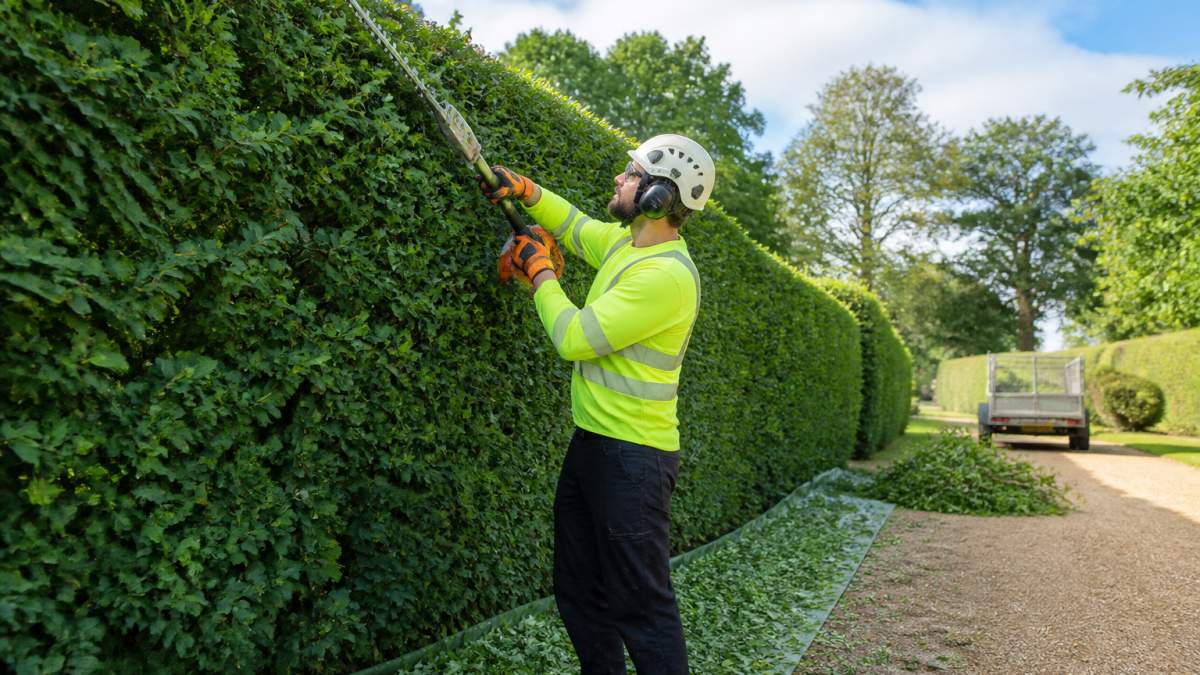
Professional hedge cutting services deliver consistent, high-quality results. A qualified contractor arrives with proper equipment, not just a handheld trimmer but powered tools suited to the job. They work safely, following industry standards and using appropriate safety gear.
Expect clear communication. The contractor explains what they'll do, how long it will take, and what the result will look like. They answer questions about your hedge's health and future care. This transparency builds confidence that the job will meet your expectations.
During the work, a professional maintains a clean site. Cut material is managed neatly, stacked for collection, chipped, or removed entirely, depending on your preference. The finished hedge is shaped properly, with clean cuts that promote healthy regrowth. The garden looks tidy when they leave, not like a disaster zone.
After completion, a good contractor provides aftercare advice. They might recommend watering during dry spells, warn about potential disease signs, or suggest timing for the next trim. This guidance helps your hedge thrive between visits.
James David Forestry Ltd delivers exactly this standard. Our team arrives fully equipped, works to schedule, and leaves your property clean and tidy. We're fully insured and certified, so you know the work meets professional standards. Most importantly, we turn up on time and finish what we start.
Choosing a contractor you can trust
Trust matters when inviting someone onto your property. Verify qualifications first. A reputable contractor holds relevant certifications, chainsaw tickets, climbing qualifications, and industry-recognised training. Ask to see evidence. Legitimate professionals keep these current and willingly share proof.
Insurance is non-negotiable. Public liability cover protects you if something goes wrong. Request a copy of the insurance certificate before work begins. Never hire an uninsured contractor; the financial and legal risks are substantial.
Check references and reviews. A contractor with a solid track record has testimonials from satisfied customers. Read what others say about their professionalism, tidiness, reliability, and value. Google reviews and local recommendations carry weight because they're from real customers.
Transparency in pricing prevents nasty surprises. A trustworthy contractor provides a detailed quote upfront, explains what's included, and sticks to the price. They don't add hidden charges mid-project or claim unexpected complications justify doubling the cost.
Finally, trust your instinct. A professional contractor listens to your needs, explains their approach clearly, and answers questions patiently. If something feels off, evasive answers, pressure to decide quickly, vague pricing, look elsewhere.
James David Forestry Ltd holds all necessary certifications and carries full public liability insurance. We provide free quotes via photo, video, or site visit. Our 5.0 rating across 31 Google reviews and 32 Facebook recommendations reflects our commitment to reliability, quality, and customer satisfaction. We've been registered as a company (Company No. 17281765) and maintain professional standards across every job.
Frequently Asked Questions
How often should a hedge be cut?
Most hedges need cutting once or twice per year, depending on the species and your desired appearance. Fast-growing varieties like privet may need two cuts annually, whilst slower-growing hedges like yew might need just one. A professional contractor can assess your specific hedge and recommend a maintenance schedule tailored to your property's needs.
What is the best time of year to cut a hedge?
Late spring (May to June) and late summer (August to September) are ideal for most hedges, avoiding the bird nesting season which runs from March to August. Avoid cutting during harsh weather or drought conditions. Professional hedge cutting services can plan your work around these windows to ensure healthy regrowth and compliance with wildlife protection guidelines.
How much does professional hedge cutting cost?
Hedge cutting costs depend on hedge size, height, condition, access, and disposal requirements. A small residential hedge costs significantly less than a large overgrown boundary. Get a free quote from a contractor who can assess your specific situation. Many providers offer transparent pricing with no hidden charges, so compare quotes before committing.
Do hedge cutting professionals remove the clippings?
Most professional hedge cutting services include removal and disposal of clippings as standard. Confirm this when requesting a quote, as some contractors charge extra for waste removal. A reputable service will leave your property clean and tidy with no piles of branches or debris left behind.
Professional hedge cutting services keep your property safe, attractive, and well-maintained. Whether you need routine trimming, overgrown hedge restoration, or emergency work after storm damage, the right contractor makes all the difference. Get a free quote from James David Forestry Ltd today, we assess your hedge, explain the options clearly, and deliver results that transform your garden. Contact us via photo, video, or a site visit to discuss your needs.
Need a tree surgeon?