Table of Contents
- Why Hiring Insured Tree Surgeons Matters
- Understanding Tree Surgeon Public Liability Insurance
- How to Verify a Tree Surgeon's Insurance Credentials
- Questions to Ask a Tree Surgeon Before Hiring
- Using a Tree Surgery Quote Checklist
- Tree Preservation Order Permission for Tree Work
- Finding Insured Tree Surgeons in Your Area
- Frequently Asked Questions
Last Updated: October 5, 2026
Why Hiring Insured Tree Surgeons Matters
When you hire a tree surgeon, you're inviting someone onto your property to work at height with dangerous equipment. Things can go wrong. A branch falls and damages your fence. A climber slips and gets injured. A stump grinder breaks down and needs repair.
Without proper insurance, you're liable. You pay the costs. You face legal claims. You lose sleep.
This is why insured tree surgeons matter. Public liability insurance protects you, your property, and the worker. It covers accidents, injuries, and damage. It proves the surgeon takes their work seriously and operates professionally.
At James David Forestry Ltd, we're fully insured. We understand that homeowners need confidence when hiring. Insurance isn't optional, it's essential. Before you hire any tree surgeon, verify their coverage. This guide shows you how.
Understanding Tree Surgeon Public Liability Insurance
Public liability insurance is a policy that covers injury to people and damage to property during tree work. If a branch falls on your shed, the insurance pays for repairs. If a worker gets hurt, the insurance covers medical costs and legal fees.
Tree surgery is high-risk work. Climbers work at height. Chainsaws are involved. Heavy branches fall. Equipment fails. Professional tree surgeons carry public liability insurance because accidents happen, and insurance protects everyone.
Insurance also signals competence. An insured tree surgeon has:
- Proper training and qualifications
- Safe working practices in place
- Professional standards they must follow
- Accountability if something goes wrong
Uninsured surgeons are cheaper upfront. But if something goes wrong, you're exposed. Repair costs, legal fees, and medical bills fall on you. The savings disappear fast.
How to Verify a Tree Surgeon's Insurance Credentials
Checking insurance is straightforward. You need proof in writing. Ask for it before you hire.
Request Proof of Insurance Documentation
Ask the tree surgeon to provide a copy of their public liability insurance certificate. This document shows:
- The insurer's name
- The policy number
- The cover amount (e.g., £6 million)
- The dates the policy is active
- What work is covered
A professional surgeon will email this to you without hesitation. If they refuse or make excuses, walk away.
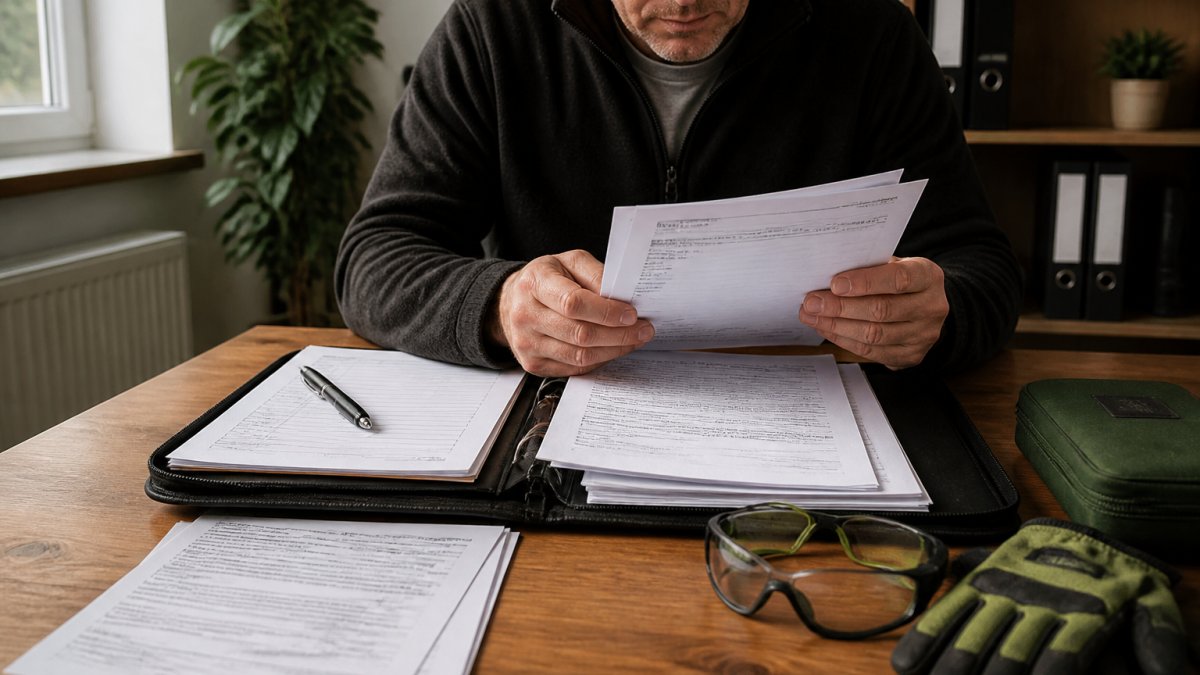
Check the dates. Make sure the policy is current, not expired. Verify the cover amount is adequate for your job. If you're removing a large tree near your house, you want higher cover.
Contact the insurer directly if you want to be thorough. Most insurers will confirm coverage by phone or email. This takes five minutes and gives you peace of mind.
Check Professional Membership and Registration
Professional bodies set standards and require members to carry insurance. In the UK, look for membership in professional bodies that set standards and require members to carry insurance.
A tree surgeon who's a member of professional organisations has met standards. They've completed training. They carry required insurance.
Ask the surgeon: "Do you hold NPTC certifications?" Legitimate professionals will confirm this and may show you their certificate.
You can verify certifications online. This is a quick double-check that costs you nothing.
Questions to Ask a Tree Surgeon Before Hiring
Before you book, ask these questions. The answers tell you whether they're professional and insured.
-
"Can you provide a copy of your public liability insurance certificate?"
-
"Do you hold NPTC or LANTRA certifications for chainsaw and climbing work?"
-
"What's your experience with this type of work?"
-
"Will you clear up all the debris, or do I need to arrange that?"
-
"What's your process if complications arise during the job?"
-
"Do you have references from recent clients?"
Listen to how they answer. A professional gives clear, confident answers. They explain their process. They answer follow-up questions without getting defensive.
If a surgeon dodges questions or gets annoyed, that's a red flag. Move on.
Using a Tree Surgery Quote Checklist
When you get a quote, use this checklist to compare surgeons fairly.
| What to Check | Why It Matters | What to Look For |
|---|---|---|
| Insurance certificate | Protects you if something goes wrong | Current, adequate cover (£1-6M), named insurer |
| Professional membership | Signals training and standards | Arboricultural Association, NPTC, LANTRA |
| Clear scope of work | Avoids surprise charges mid-job | Specific tasks listed, debris removal included |
| Fixed price or hourly rate | Prevents cost overruns | Transparent pricing, no hidden fees |
| Timeline and completion date | Helps you plan | Realistic schedule, clear start and end dates |
| References or reviews | Proves track record | Recent clients, positive feedback |
| Credentials and qualifications | Confirms competence | Chainsaw tickets, climbing certifications |
A good quote includes all of this. If a surgeon's quote is vague or missing information, ask for clarification. A professional will provide it.
Tree Preservation Order Permission for Tree Work
If your tree is protected by a Tree Preservation Order (TPO), you need council permission before work begins (Tree Preservation Orders and trees in conservation areas). This applies to many trees in conservation areas and on protected land.
Working on a TPO tree without permission is illegal (Tree Preservation Orders and trees in conservation areas). You face fines and the council can also force you to replant.
Your tree surgeon should know whether your tree is protected. Ask them: "Is this tree covered by a TPO?" If they're unsure, contact your local council's planning department. They hold TPO records.
If permission is needed, the surgeon can often handle the application. Some include this in their quote. Others charge extra. Clarify this upfront.
Finding Insured Tree Surgeons in Your Area
Start with recommendations. Ask neighbours, friends, and family for referrals. Word-of-mouth is reliable, people recommend surgeons they've used and trusted.
Search online for "insured tree surgeons" in your area. Check Google reviews and ratings. Read recent feedback. Look for mentions of professionalism, tidiness, and communication.
Contact at least three surgeons. Get quotes from each. Compare their insurance, qualifications, and pricing. Don't pick based on price alone, the cheapest isn't always the best.
At James David Forestry Ltd, we provide free quotes via photo, video, or site visit. We're fully insured and hold industry-recognised certifications. Our team turns up on time, works cleanly, and clears all debris. We've earned a 5.0 rating based on 31 Google reviews and 32 Facebook recommendations because we prioritise professionalism and clear communication.
When you contact a surgeon, ask for their insurance certificate upfront. If they hesitate, that's your answer. A professional provides it immediately. They're proud of their credentials and want you to feel confident.
Hiring an insured tree surgeon takes a little extra effort upfront. You'll request paperwork, check qualifications, and ask questions. But this protects you, your property, and the worker. It ensures the job is done safely and professionally. James David Forestry Ltd is here to make this easy, we provide full transparency on insurance and qualifications, and we're ready to answer any questions you have before you decide to hire. Get a free quote today and see the difference professional, insured tree surgery makes.
Frequently Asked Questions
How can I check whether a tree surgeon is insured?
Request proof of public liability insurance directly from the tree surgeon. Ask them to provide a copy of their insurance certificate showing current cover. You can also ask which insurer they use and verify coverage by contacting the insurer directly. Reputable tree surgeons will provide this documentation without hesitation. Check that the certificate shows adequate cover limits and that it hasn't expired. Professional memberships with bodies like the Arboricultural Association often require members to maintain insurance, so membership verification offers additional assurance.
What insurance should a tree surgeon have?
Tree surgeons must carry public liability insurance to protect you if damage occurs to your property or someone is injured during work. This is the minimum requirement. Many also carry employers' liability insurance if they employ staff, and some carry professional indemnity insurance. Public liability cover typically protects against property damage, personal injury claims, and legal costs. The cover limit should be substantial enough to address potential damage to buildings, fences, vehicles, or underground services like pipes and cables that might be affected by tree work.
What qualifications should a tree surgeon have?
Look for tree surgeons who hold current chainsaw and climbing qualifications. The National Proficiency Tests Council (NPTC) or equivalent recognised qualifications demonstrate they've been trained in safe working practices. Many reputable surgeons are members of professional bodies such as the Arboricultural Association, which require ongoing training and adherence to industry standards. Ask about their specific qualifications and how recent their training is. Certified professionals will be able to explain their credentials clearly and provide evidence of current certification.
Do I need permission to remove or prune a tree?
Trees protected by a Tree Preservation Order (TPO) require written consent from your local authority before any work can proceed. Many trees in residential areas are protected this way. You should always check with your local council before arranging tree work. If your property is in a Conservation Area, certain tree works may also require notification. A qualified tree surgeon will advise you on whether permission is needed and can often help with the application process. Proceeding without required permission can result in significant fines and legal consequences.
Need a tree surgeon?