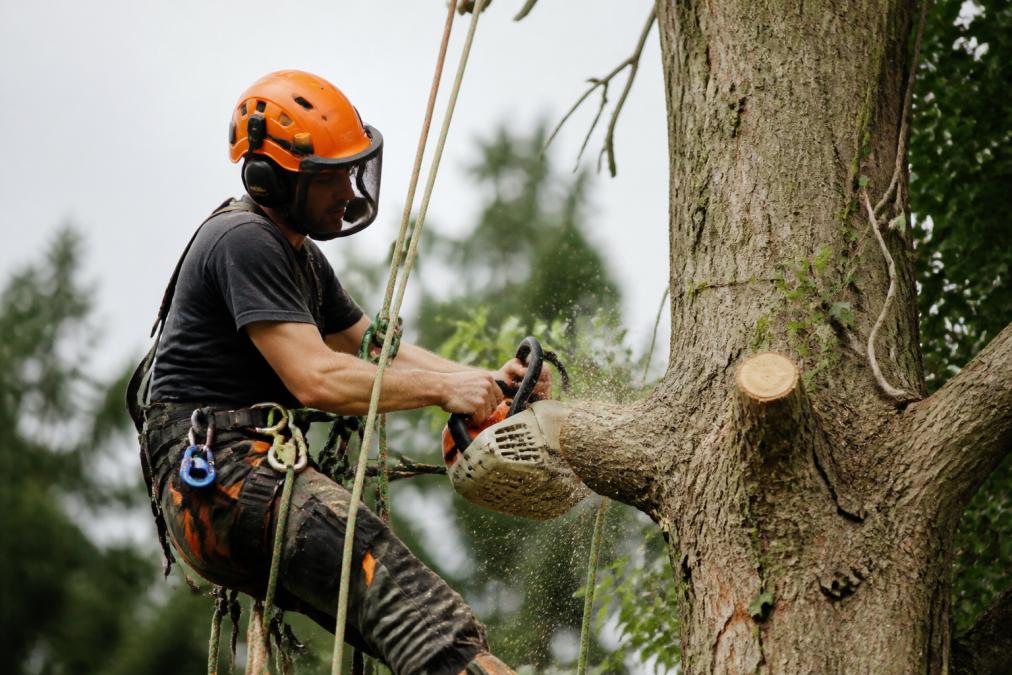
Table of Contents
- What Makes a Tree Surgeon the Best Choice for Your Property
- How to Verify Tree Surgeon Insurance and Credentials
- Tree Preservation Orders and When You Need Permission
- Understanding Tree Surgery Costs and Getting Fair Quotes
- Key Services Professional Tree Surgeons Offer
- Questions to Ask Before Hiring a Tree Surgeon
- Why Choosing Qualified Tree Surgeons Protects Your Property
- Frequently Asked Questions
Last Updated: September 27, 2026
What Makes a Tree Surgeon the Best Choice for Your Property
Finding a qualified tree surgeon isn't just about getting branches trimmed. It's about protecting your property, ensuring safety, and maintaining the long-term health of your trees. The best tree surgeons combine technical expertise with professionalism and transparent communication.
A genuinely skilled tree surgeon understands tree biology, recognises hazards others miss, and knows exactly which cuts promote health rather than damage. They arrive with proper insurance, the right equipment, and a clear plan before they start work. This matters because poor tree work can weaken trees, create safety risks, or leave your garden looking worse than before.
At James David Forestry Ltd, we've worked with property owners across Merseyside and West Lancashire. The difference between a competent operator and a genuinely skilled tree surgeon shows in the results. It's visible in how trees recover, how tidy the site remains during work, and whether the job stays within quoted costs.
When evaluating the best tree surgeons, look beyond price. Check whether they hold relevant climbing and chainsaw qualifications, carry appropriate insurance, and can explain their approach clearly. A professional will provide a free quote, answer your questions directly, and stick to agreed timelines. They'll also clean up properly, leaving your garden ready to use again, not buried under debris.
How to Verify Tree Surgeon Insurance and Credentials
Before hiring anyone to work on your trees, verify their qualifications and insurance. This single step prevents most problems.
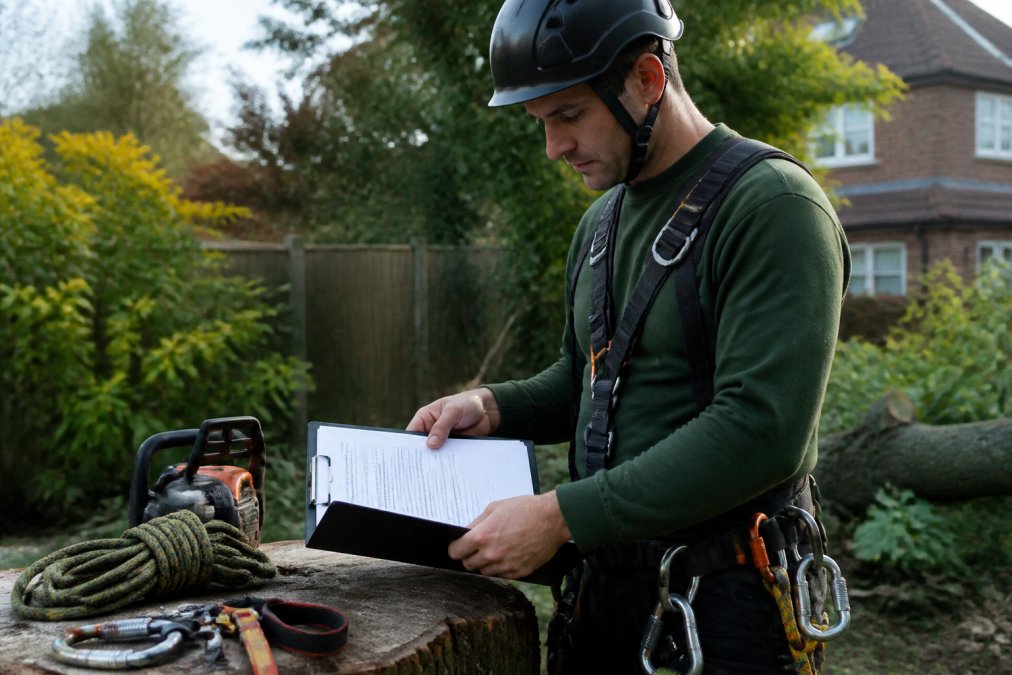
Start by asking for proof of public liability insurance. A legitimate tree surgeon carries suitable cover for damage to property or injury. Request a copy of their certificate, not just verbal confirmation. Check the policy dates match the current period and cover the specific work you need.
Next, confirm they hold relevant chainsaw and climbing qualifications. In the UK, recognised certifications include NPTC (National Proficiency Tests Council) chainsaw tickets and climbing qualifications from bodies like the Arboricultural Association. These aren't optional extras, they're the baseline for safe, professional work. Ask which qualifications they hold and when they were last renewed.
Tree Preservation Orders and When You Need Permission
Not all trees can be cut freely. If your tree is protected by a Tree Preservation Order (TPO), you need written consent from your local council before carrying out any work.
A TPO restricts what you can do to a tree without permission (Tree Preservation Orders and trees in conservation areas). You cannot fell, top, lop, or significantly prune a protected tree without approval (Tree Preservation Orders and trees in conservation areas). Breaching a TPO can result in fines up to £20,000. Your tree surgeon should check this before quoting, it's part of their job to identify protected trees and flag the requirement.
To find out whether your tree has a TPO, contact your local council's planning department. Provide the tree's location and description. They'll confirm whether it's protected. This takes a few days, so start the process early if you're planning work.
If your tree is within a Conservation Area, additional rules apply. Many councils require permission for any tree work in these areas, even without a formal TPO. Again, your tree surgeon should know this and advise accordingly.
Some trees are protected because they're on a listed building or within a historic site. Check with your council's conservation officer if your property has this status.
Getting permission isn't complicated. Your tree surgeon can often handle the application, explaining why the work is necessary. Emergency work, such as removing a dangerous tree after a storm, may be approved quickly or retrospectively. Document the hazard with photos if you need urgent action.
Understanding Tree Surgery Costs and Getting Fair Quotes
Tree surgery pricing varies based on tree size, access, complexity, and location. Rather than guessing at costs, understand what drives the price so you can compare quotes fairly.
A straightforward crown reduction on a small garden tree costs less than felling a large oak or removing a tree wedged between buildings. Stump grinding adds extra cost. Site access matters too, a tree in an open garden is cheaper to work on than one surrounded by fences, sheds, or parked cars.
When getting quotes, provide clear details: tree species, approximate height, what you want done, and site access. Ask whether the quote includes stump removal, debris disposal, and site clearance. Some tree surgeons include this; others charge separately. Clarify before agreeing.
A reputable tree surgeon provides quotes in writing, breaking down what's included. They explain their approach and answer your questions. If a quote seems unusually low compared to others, ask why. Sometimes it's efficiency; sometimes it's a sign they'll cut corners or add hidden charges later.
Avoid quotes that lack detail or come with vague "complications" clauses. A professional knows their work well enough to quote accurately. If unexpected issues emerge during work, like diseased wood requiring extra care, a good tree surgeon discusses it with you before proceeding, not after.
Get at least three quotes. This gives you a realistic range and helps you spot outliers. James David Forestry Ltd offers free quotes via photo, video, or visit, no obligation or pressure.
Key Services Professional Tree Surgeons Offer
The best tree surgeons provide a full range of services rather than specialising in one area. This breadth matters because different trees and situations need different approaches.
Crown reduction removes selected branches to reduce weight and improve light. This keeps trees healthy and improves garden aesthetics without harming the tree. Crown thinning removes deadwood and crossing branches, improving air circulation through the canopy.
Crown lifting removes lower branches to create clearance beneath the tree, useful for sight lines or to allow grass to grow underneath. Felling removes the entire tree, either as a single drop or in sections if space is tight.
Stump grinding removes the stump and root flare below ground, leaving the area ready for replanting or paving. Hedge cutting maintains boundary hedges and keeps them tidy. Many tree surgeons also offer emergency work, removing trees brought down by storms or clearing debris after severe weather.
Professional tree surgeons also assess tree health and identify hazards. They spot disease, structural weakness, or dangerous branches before they fail. This preventive approach saves money and prevents accidents.
Questions to Ask Before Hiring a Tree Surgeon
Before you commit, ask these questions. A professional answers them clearly and without defensiveness.
What qualifications and insurance do you hold? Ask specifically about chainsaw tickets, climbing qualifications, and public liability cover. Request proof.
Can you explain your approach to this job? A good tree surgeon describes what they'll do, why they'll do it that way, and what the result will look like. If they can't explain it clearly, move on.
Is your quote fixed or subject to change? Clarify whether the price holds if the job takes longer or complications emerge. Understand what counts as a complication.
What's included in the quote? Does it cover debris removal, stump grinding, site clearance, and disposal? Don't assume.
How long will the work take? Get a realistic timeframe. This helps you plan and arrange site access if needed.
Will you work alone or with a team? Know who's coming to your property and when.
Do you have references from recent jobs? Ask for contact details and actually call them. This reveals far more than marketing claims.
What happens if something goes wrong? Understand their liability and insurance cover. Ask about their complaints procedure.
Can you provide a quote in writing? Any professional should. It protects both of you.
Why Choosing Qualified Tree Surgeons Protects Your Property
Hiring unqualified operators might seem cheaper upfront, but it creates genuine risks. Poor tree work damages trees, creates safety hazards, and often costs more to fix than doing it right initially.
An unqualified person might remove too much foliage, leaving the tree weakened or prone to disease. They might make cuts that don't heal properly, creating entry points for rot. They might leave a stump that sprouts aggressively or fail to remove it altogether, leaving an eyesore.
Safety is the bigger concern. Tree work involves climbing, chainsaws, heavy branches, and proximity to power lines. Mistakes kill people. A qualified tree surgeon knows how to secure themselves, control falling branches, and avoid hazards. They carry insurance that protects you if something goes wrong.
Qualified tree surgeons also understand local regulations. They know about Tree Preservation Orders, Conservation Areas, and other restrictions. They won't start work that requires permission, leaving you liable for fines.
The best tree surgeons take pride in their work.
Frequently Asked Questions
How do I verify a tree surgeon's insurance in the UK?
Ask for proof of public liability insurance before work begins, this should cover damage to your property or third-party injury. Request their certificate of insurance and check the cover amount. Verify the policy is current and cover tree surgery specifically. A reputable tree surgeon will provide this without hesitation and hold NPTC (National Proficiency Tests Council) or City & Guilds qualifications in chainsaw and climbing work.
What qualifications should a professional tree surgeon have?
Look for NPTC certifications in chainsaw operation, tree climbing, and aerial rescue. These qualifications demonstrate they've passed industry-standard safety and technical tests. Ask to see their certificates, legitimate surgeons keep these accessible and up to date.
Do I need council permission to prune trees in a conservation area?
Yes. In a conservation area, you must notify your local authority at least six weeks before carrying out work on most trees. The council may serve a Tree Preservation Order (TPO), which prohibits work without written consent. Even routine pruning can require permission. A qualified tree surgeon will understand these rules and handle the notification process or advise you on requirements before quoting. Fines for unauthorised work can reach £20,000.
What should I expect to pay for tree surgery work?
Tree surgery costs depend on tree size, species, location, access, and the type of work (felling, crown reduction, stump grinding). Small crown reductions might cost less than large removals; emergency storm work often commands higher rates due to urgency. Always get written quotes from multiple surgeons, they should be free and itemised. Avoid quotes that seem unusually cheap or vague; transparent pricing protects you from hidden costs later.
When trees need professional attention, the decision matters. Qualified tree surgeons combine safety expertise with genuine care for your garden's future. James David Forestry Ltd brings full in-house teams with certified climbing and chainsaw qualifications, comprehensive public liability cover, and a commitment to transparent pricing with no surprise costs. Get a free quote today, no obligation, no pressure, and discover how professional tree surgery transforms your property.
Need a tree surgeon?